Leg Workout At Home: A Realistic Plan You Can Repeat
By:Author:Nordletics Editorial
Updated on:October 28, 2026
- Does a Bodyweight Leg Workout Actually Build Strength
- What Makes Bodyweight Leg Training Actually Work
- How Often You Should Train Legs at Home
- Bodyweight Squats Versus a Gym Leg Day
- Making a Leg Routine Work Around Your Week
- The Toned Legs Overnight Myth, Answered Honestly
- What Actually Changes Your Leg Workout Results
- Where Home Leg Workouts Quietly Go Wrong
- Building a Nordletics Leg Workout You Can Repeat
- Starting Your Home Leg Routine This Week
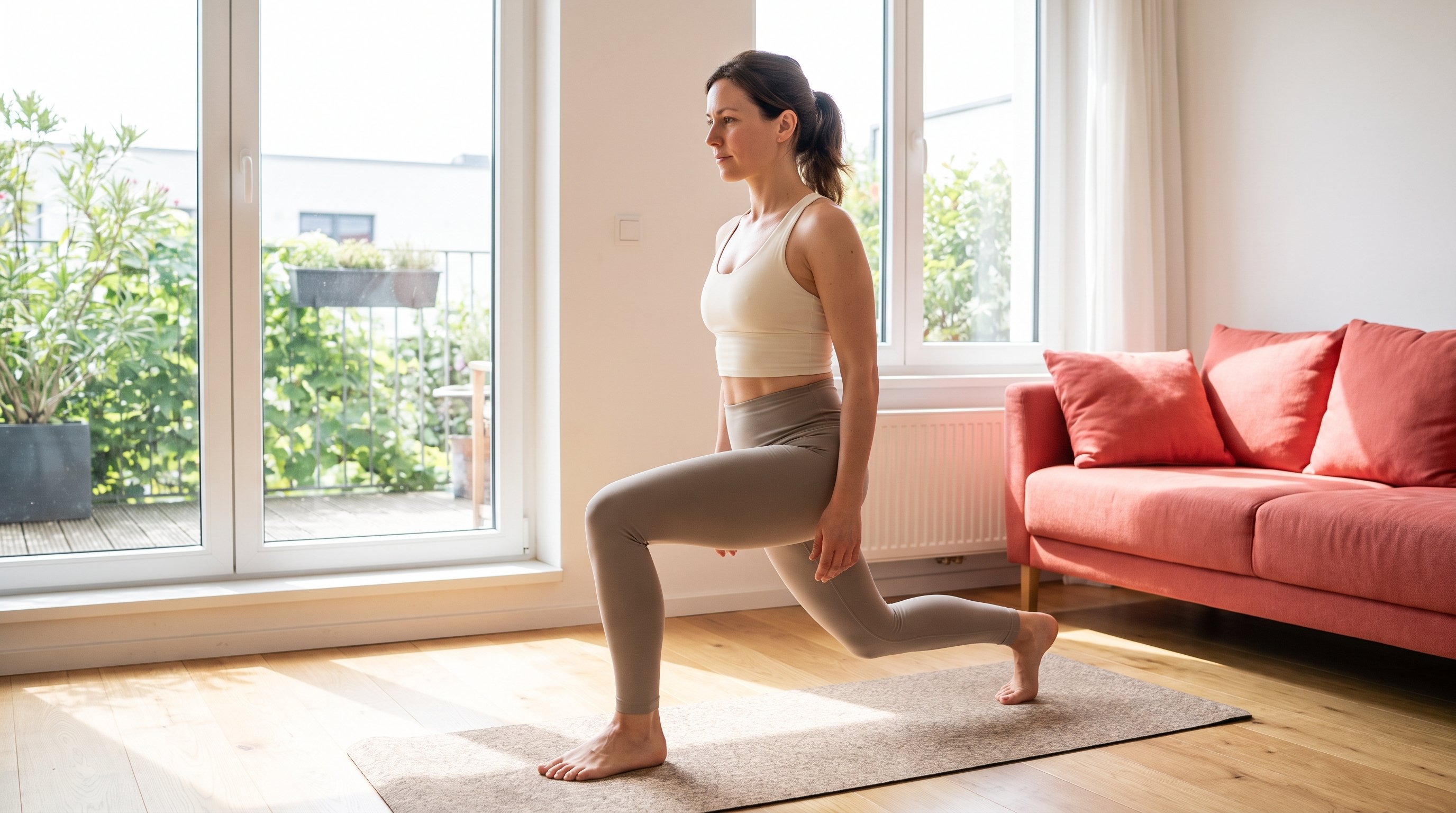
A leg workout at home works just fine without a single piece of equipment, as long as the moves ask your muscles to work harder over time. Squats, lunges and step-ups create enough resistance through bodyweight and tempo to build real strength in your thighs, hips and calves.
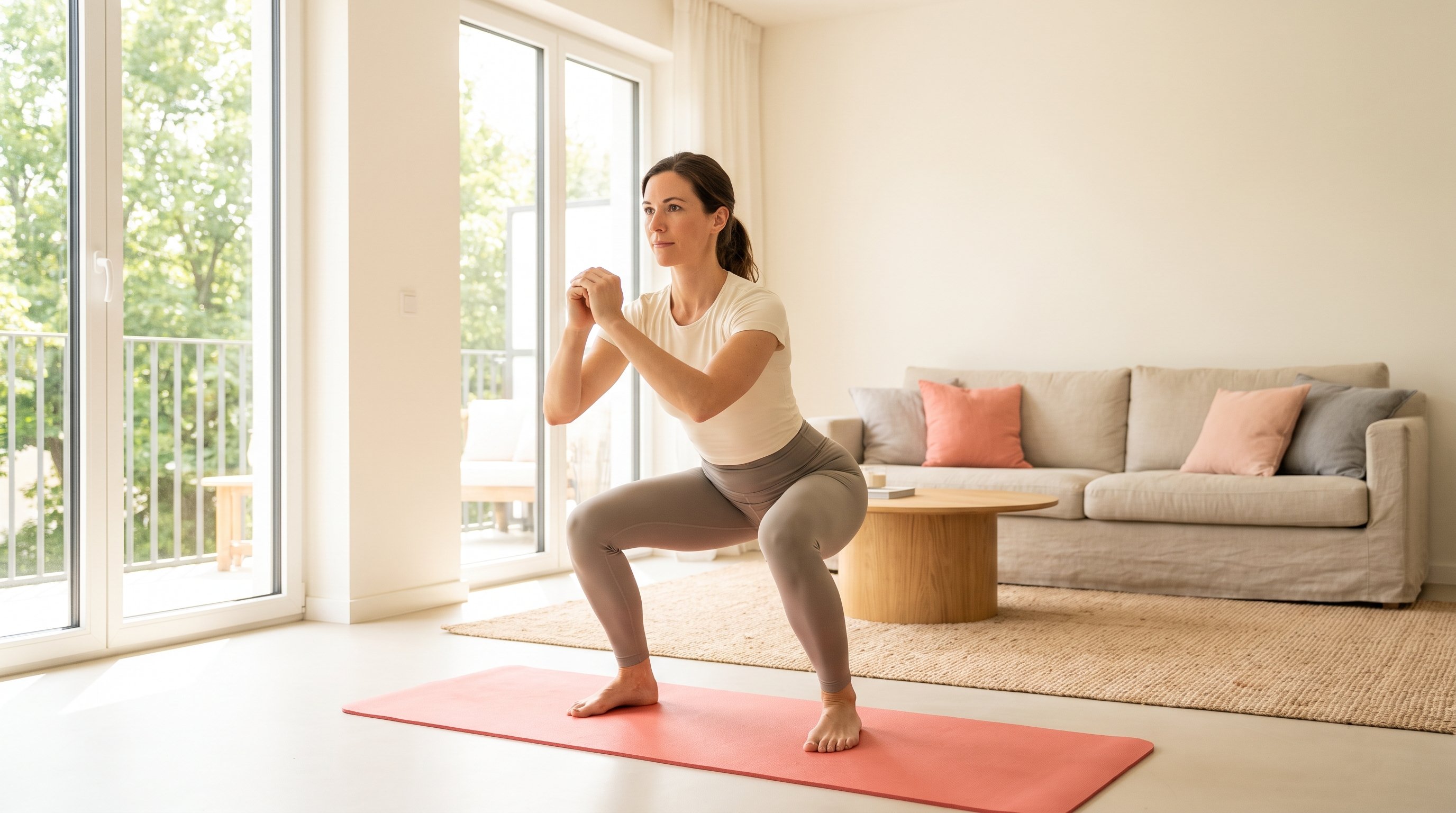
The mechanism is simple: muscle responds to tension and repetition, not to the brand of machine applying it. A deep squat held for a slow count puts the same demand on your quads as plenty of gym exercises, just without the plates.
This guide covers whether bodyweight leg training actually works, how often to do it, a sample week you can repeat, and the mistakes that quietly undo progress.
Does a Bodyweight Leg Workout Actually Build Strength
Yes, it does, and the reason is mechanical rather than magical. A muscle fibre cannot tell whether the resistance pulling on it is a barbell or your own bodyweight moving slowly through a lunge.
What it responds to is tension across a decent range of motion, repeated often enough to force adaptation. A single-leg squat variation or a slow step-down can load the quads and glutes close to what a moderate-weight gym exercise would.
The honest arithmetic: if you do three sets of 15 slow bodyweight squats, that is 45 reps of sustained tension per session. Over four sessions a month that is 180 reps, which is enough repeated stress for legs to adapt, provided the sets are taken close to effort rather than coasted through.
What Makes Bodyweight Leg Training Actually Work
Tension Through Range, Not Load on a Bar
Legs respond to how long a muscle stays under tension and how far it moves, not just how heavy the resistance feels. Slowing down a squat or lunge, and going deeper where your knees allow, increases the demand without adding any weight at all.
Single-Leg Work Replaces the Need for Added Weight
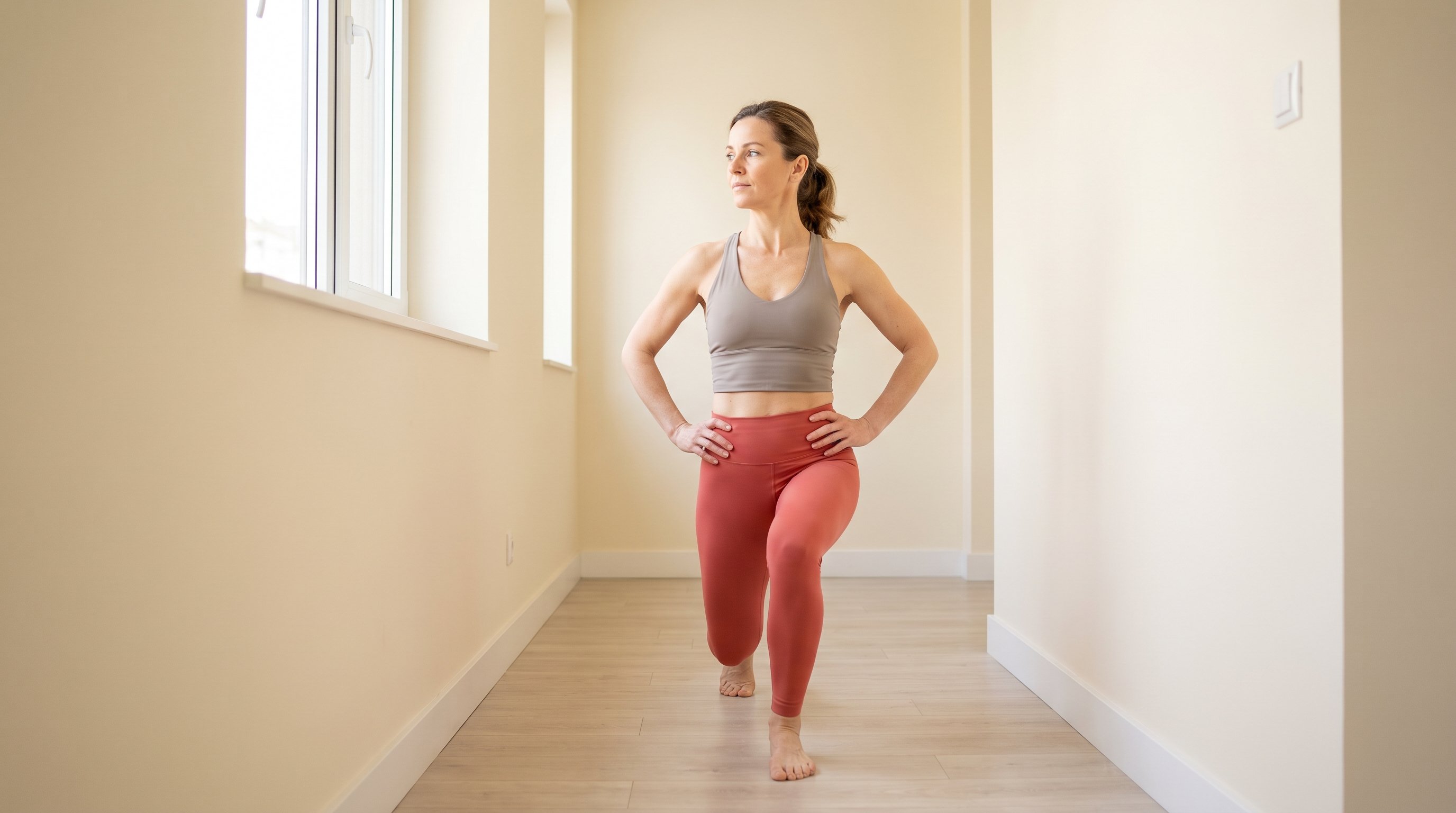
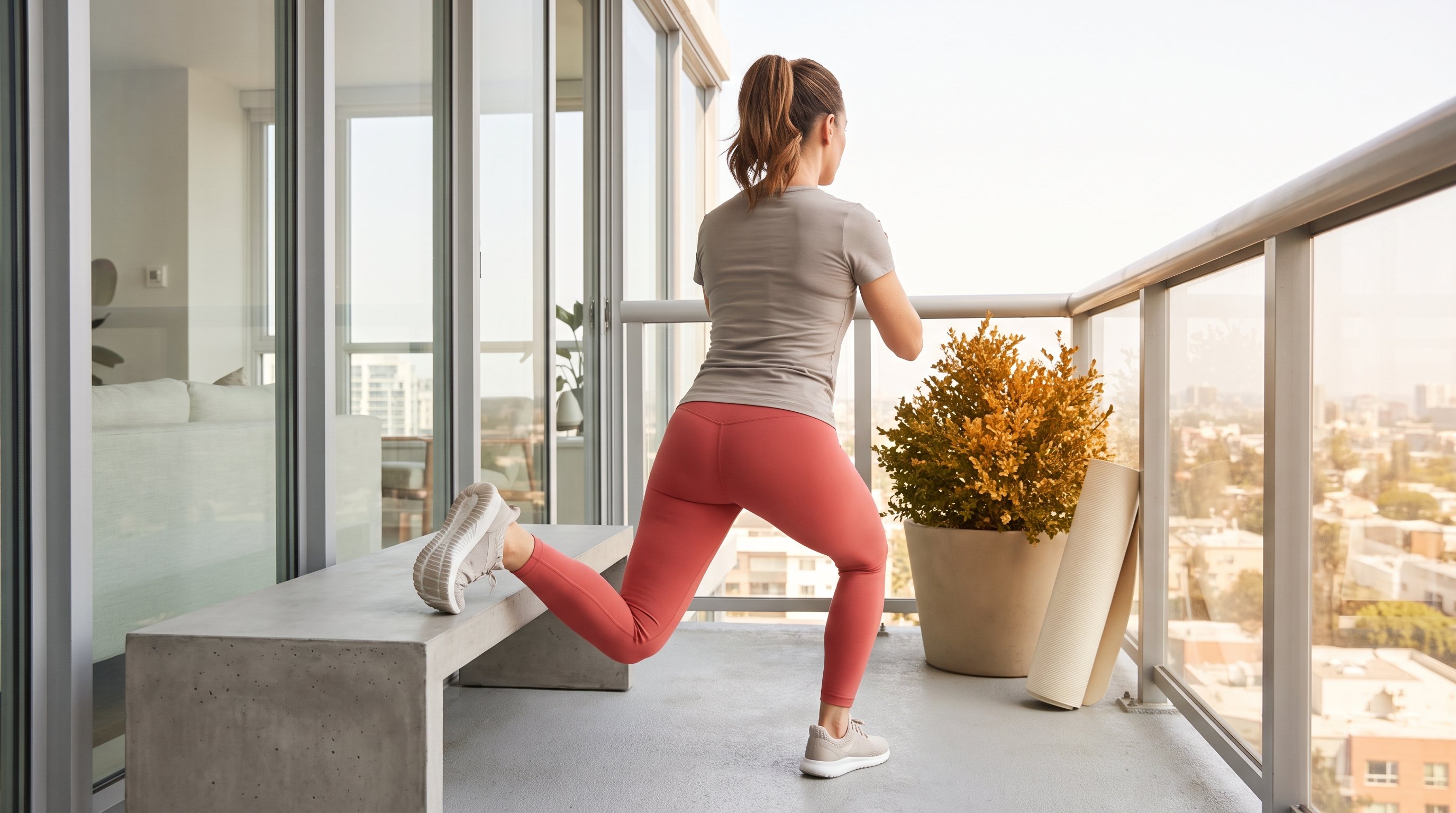
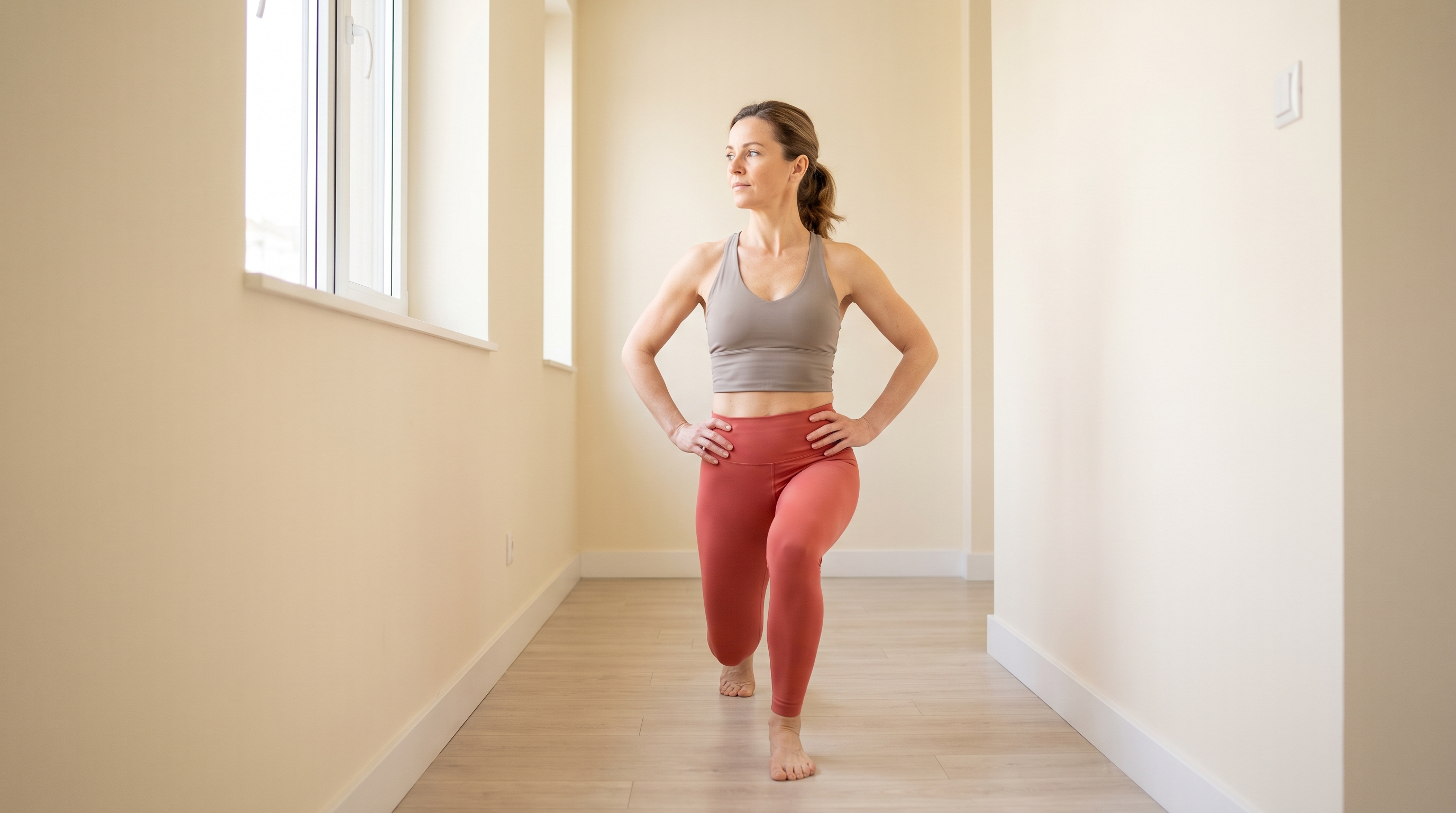
Standing on one leg for a split squat or step-up roughly doubles the load on that leg compared with a two-legged version, since your bodyweight is no longer shared. That is why single-leg moves are the main lever for progression once basic squats feel easy.
How Often You Should Train Legs at Home
Two to Three Sessions a Week Is the Practical Range
Legs are large muscles that recover over roughly 48 hours, so two to three sessions a week gives enough stimulus without constant soreness. Fewer than that and progress slows; more than that without enough recovery and quality tends to drop.
Here is a simple structure you can apply this week and repeat the next.
| Day | Focus | Suggested Volume |
|---|---|---|
| Monday | Squats and lunges | 3 sets of 12 to 15 |
| Wednesday | Step-ups and glute bridges | 3 sets of 12 to 15 |
| Friday | Split squats and calf raises | 3 sets of 10 to 12 |
| Weekend | Rest or light walking | Recovery day |
Bodyweight Squats Versus a Gym Leg Day
A gym leg day with a loaded barbell squat can add resistance faster than bodyweight training ever will, in theory. In practice, a lot of people skip gym leg day altogether because it needs a commute, equipment and a block of uninterrupted time.
A home leg workout removes almost every one of those barriers. The session that actually gets finished four times a month beats the heavier one that gets attempted once and then skipped for three weeks.
Adherence, not intensity, is what drives results over months. A moderate bodyweight session done consistently outperforms an ambitious gym plan that quietly falls off the calendar by week three.
Making a Leg Routine Work Around Your Week
The biggest obstacle to leg training at home is rarely the exercises themselves, it is finding a predictable slot and sticking with it. Twenty minutes three times a week, done at roughly the same point in your day, tends to survive busier weeks better than a longer session squeezed in whenever time allows.
This is where a structured plan helps more than willpower alone. Nordletics lays out home leg sessions alongside a meal plan built around food you already like, so the workout and the eating side are not two separate decisions you have to make every day.
Keeping steps, water intake and weight in one place also makes it easier to see whether the routine is actually happening, rather than relying on memory of a good week.
The Toned Legs Overnight Myth, Answered Honestly
No single exercise shapes or tones one area of the leg, and no routine delivers visible change in days. The body does not let you choose where fat is used from, so squats will not selectively slim the thighs regardless of how many reps you add.
What bodyweight leg training actually does is build strength and muscle tone across the legs over time, which changes how they look and feel as a longer-term result of consistent sessions plus an eating pattern that supports it. That is a slower, less exciting promise than overnight toning, but it is the one that is actually true.
What Actually Changes Your Leg Workout Results
Three factors matter more than any specific exercise choice, and they stack in this order of importance.
The Levers That Move the Needle
- Sessions completed per month - three consistent weekly sessions beat five planned ones that only happen twice.
- Range of motion and tempo - a slow, deep squat does more than a fast shallow one, even at the same rep count.
- Progression over time - moving from two-legged to single-leg variations, or adding reps, keeps the stimulus from going stale.
Where Home Leg Workouts Quietly Go Wrong
Rushing Through the Reps
Fast, shallow squats feel like progress but barely load the muscle. Slow the descent down and pause briefly at the bottom to keep tension where it matters.
Skipping Single-Leg Work Entirely
Sticking to two-legged squats forever means the stimulus plateaus once your legs adapt. Add split squats or step-ups once basic squats feel easy to keep progressing.
Training Legs Every Day
Daily leg sessions without rest leave little time for recovery, and soreness starts to interfere with form. Two to three sessions a week with rest days between is enough.
Ignoring Calves and Glutes
Focusing only on quads through squats leaves other leg muscles undertrained. Add calf raises and glute bridges so the whole leg develops evenly.
Building a Nordletics Leg Workout You Can Repeat
A leg workout only works if it gets repeated, which is the whole argument for keeping sessions short, structured and easy to find again next week.
Nordletics puts home leg sessions, a meal plan, and progress tracking in one place, so there is less friction between deciding to train and actually starting. Pair that with motivating challenges designed to keep you showing up, and the plan has a better chance of surviving past the first few weeks.
Get Your Workout Plan
Train Smarter Today
Starting Your Home Leg Routine This Week
Pick three days this week, block out twenty minutes, and run through squats, lunges and step-ups with a slow tempo. That single decision matters more than finding the perfect exercise list.
Nordletics can hold the schedule and the meal plan alongside each other, which takes some of the daily decision-making out of staying consistent.
FAQ
Two to three sessions a week is the practical range for most people, since legs need roughly 48 hours to recover between sessions. Fewer sessions slow progress, while too many without rest can reduce the quality of each one.
Yes, slow tempo and single-leg variations like split squats and step-ups create enough resistance for most people without needing weights. Equipment speeds up loading later on, but it is not required to start seeing strength improve.
A shorter session done consistently beats a longer one that gets skipped, so even ten focused minutes three times a week adds up over a month. Fixing a specific time slot tends to matter more than the exact length of the session.
Legs can feel sore and heavy after training, which makes the next session feel harder to start than it actually is. Nordletics tracks sessions and progress in one place, which helps make the pattern visible rather than relying on memory of how last week went.
Share this post