At Home Workout For Weight Loss: The Realistic Guide
By:Author:Nordletics Editorial
Updated on:October 28, 2026
- Can a Home Workout Actually Help You Lose Weight?
- How Bodyweight Training Actually Burns Energy
- How Many Home Sessions a Week Actually Moves Things
- Home Training Versus the Gym Commute Trade-Off
- Making an at Home Workout Fit a Full Week
- The Rapid Weight Loss Promise, Answered Honestly
- What Actually Changes Your Weight Loss Results at Home
- Mistakes That Quietly Stall Home Weight Loss Plans
- Building Your at Home Workout for Weight Loss With Nordletics
- Starting Your at Home Weight Loss Routine This Week
An at home workout for weight loss works the same way any workout does - it burns energy and, over time, can help build the muscle that keeps your metabolism ticking over. It will not do the job alone, though, and anyone telling you otherwise is skipping the nutrition half of the equation.
The mechanism is simple arithmetic: you move, you spend energy, and if your eating pattern lines up with that, the scale tends to reflect it over weeks and months. No equipment or gym membership changes that basic logic.
This guide covers whether home training actually moves the needle, how often you'd realistically need to train, what a sample week looks like, and the mistakes that quietly stall most people before they get anywhere.
Can a Home Workout Actually Help You Lose Weight?
Yes, in the sense that any consistent movement adds to your weekly energy spend, and that spend matters for weight loss alongside what you eat.
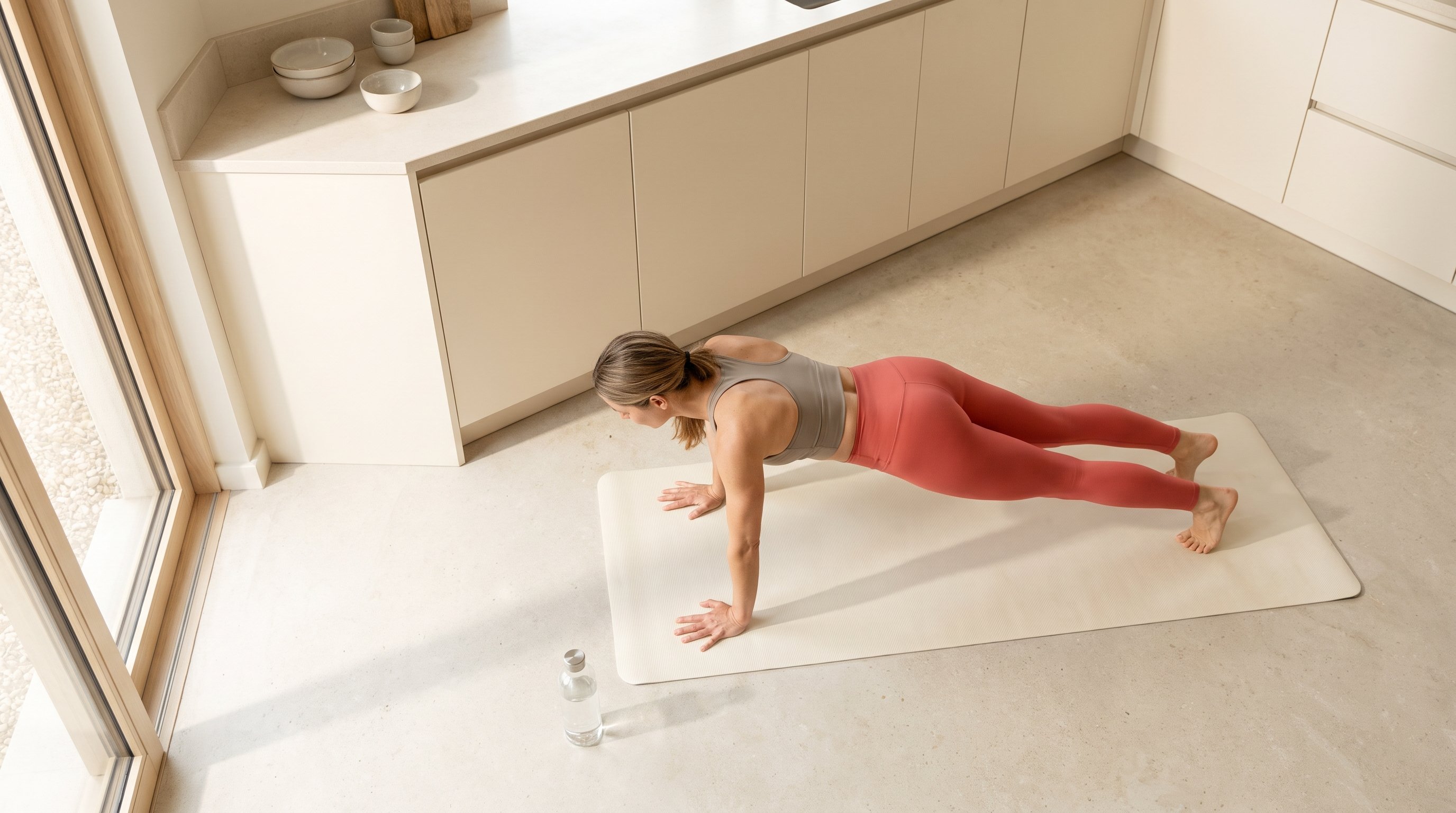
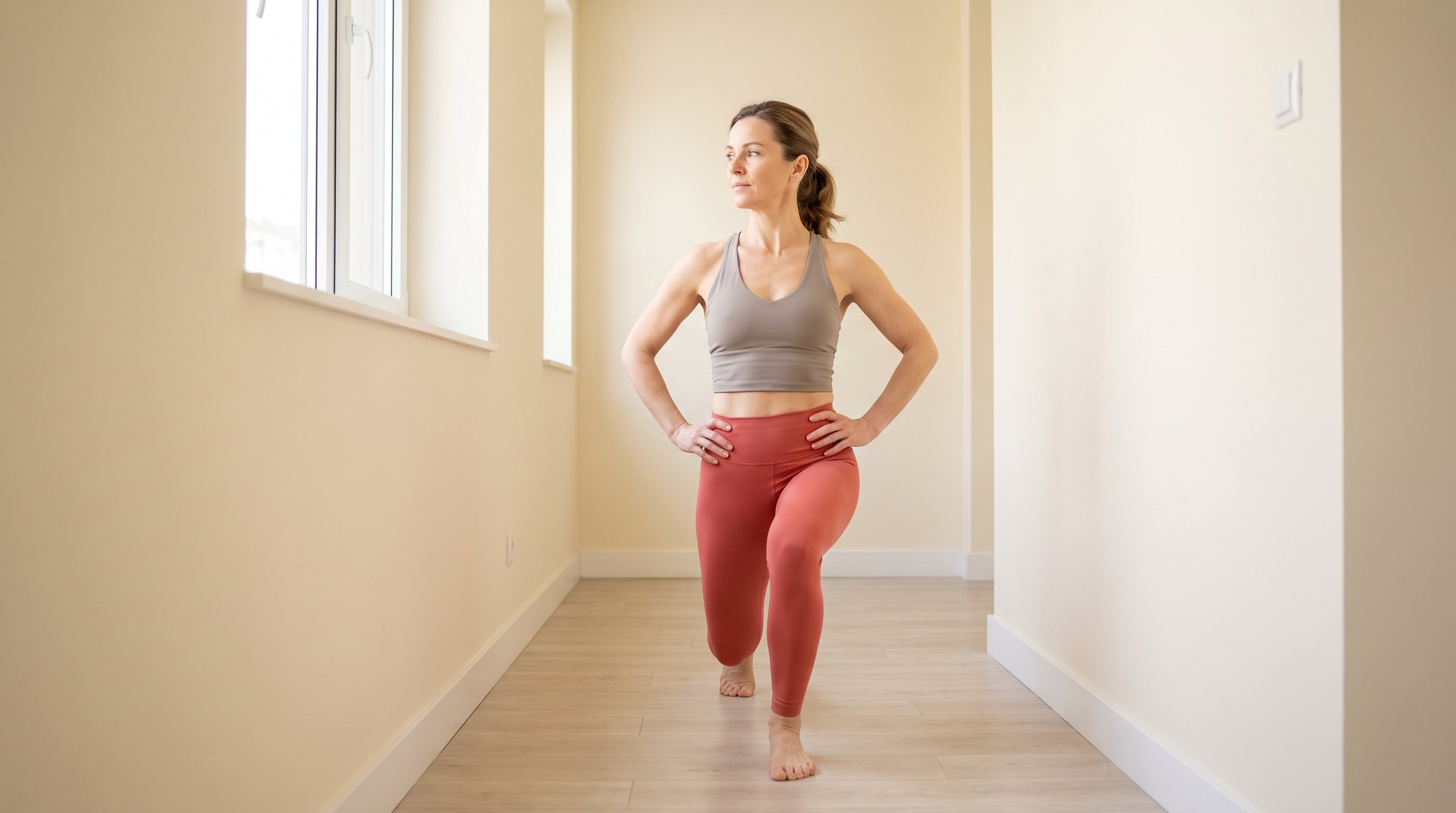
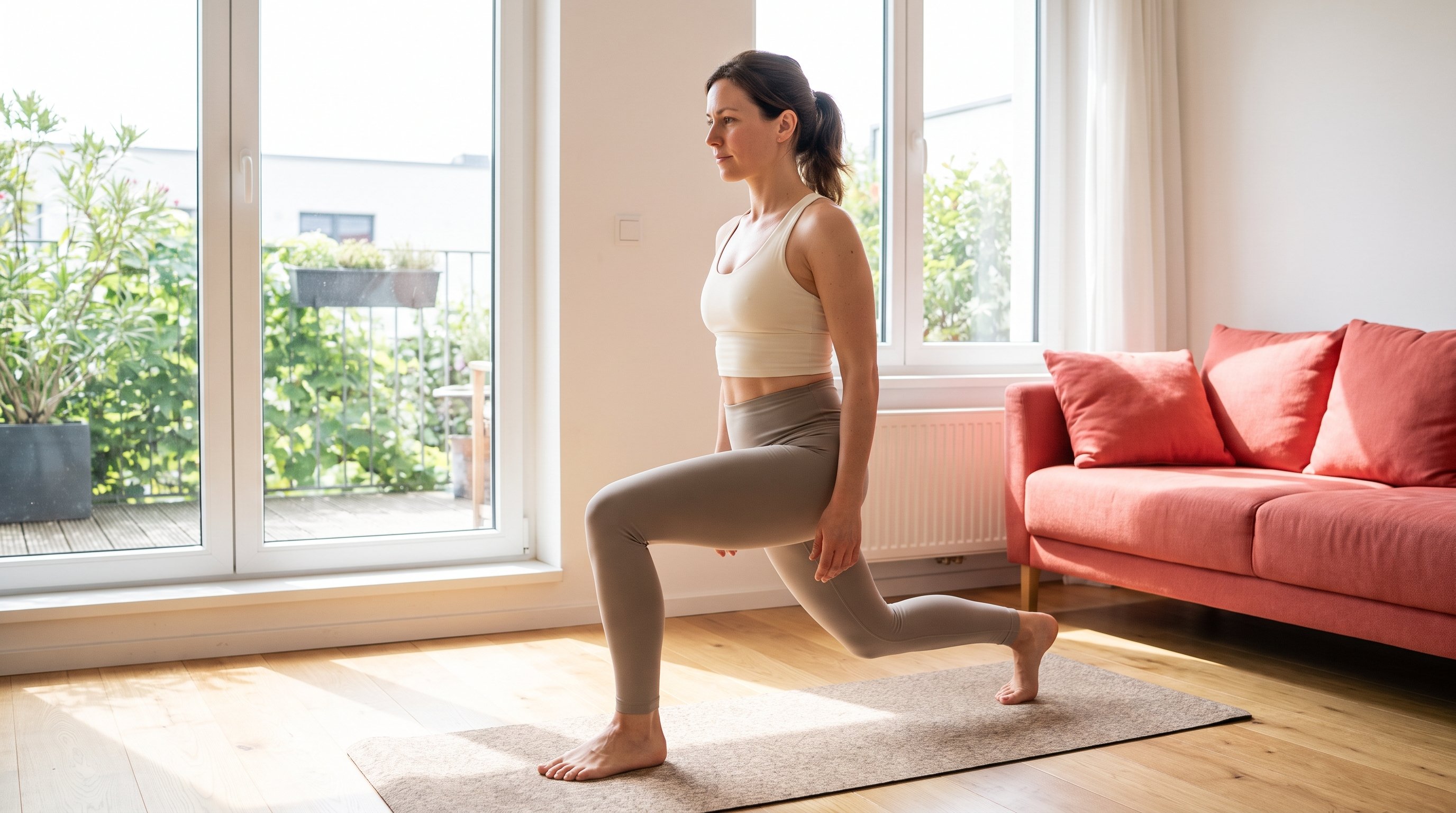
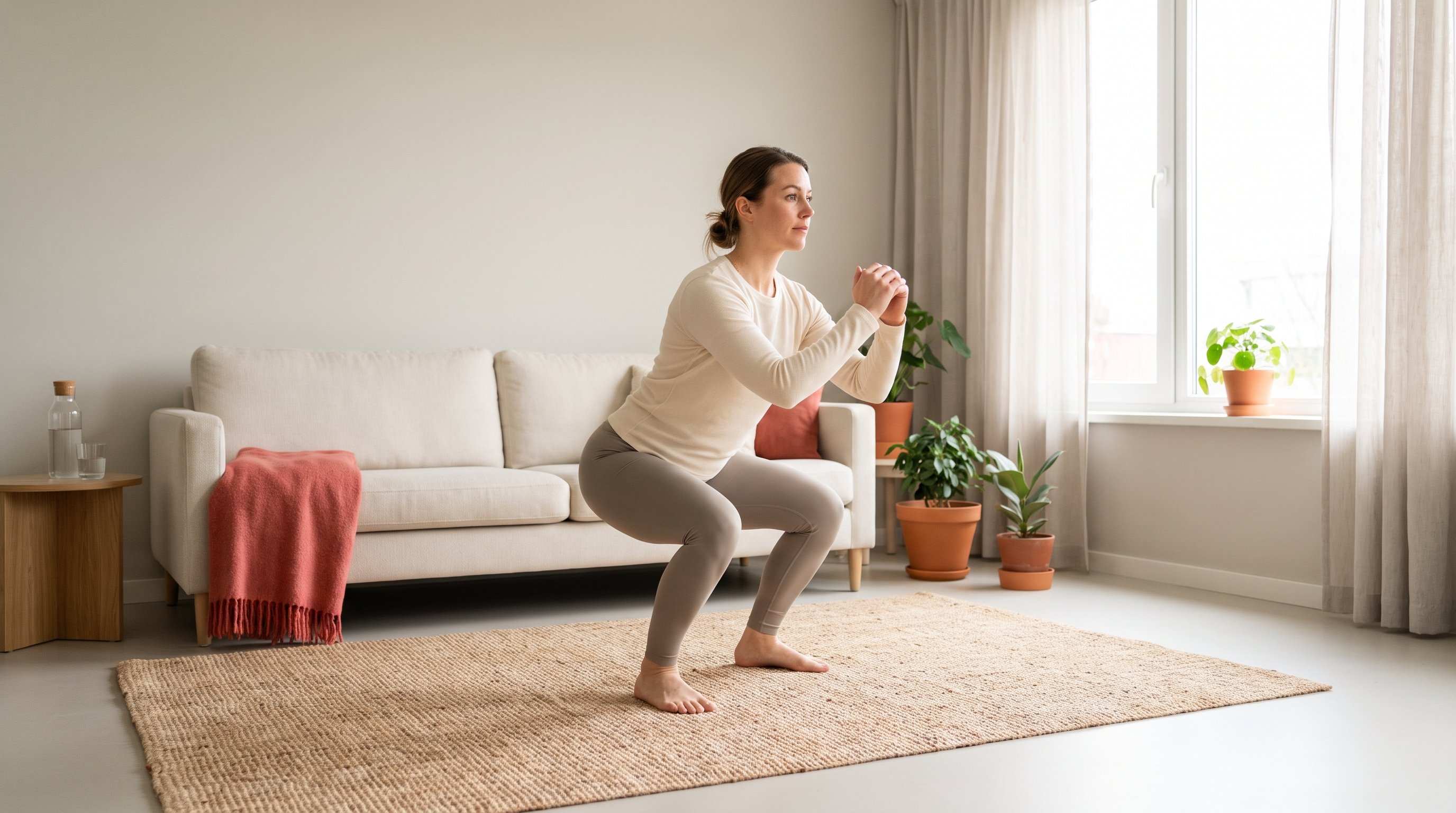
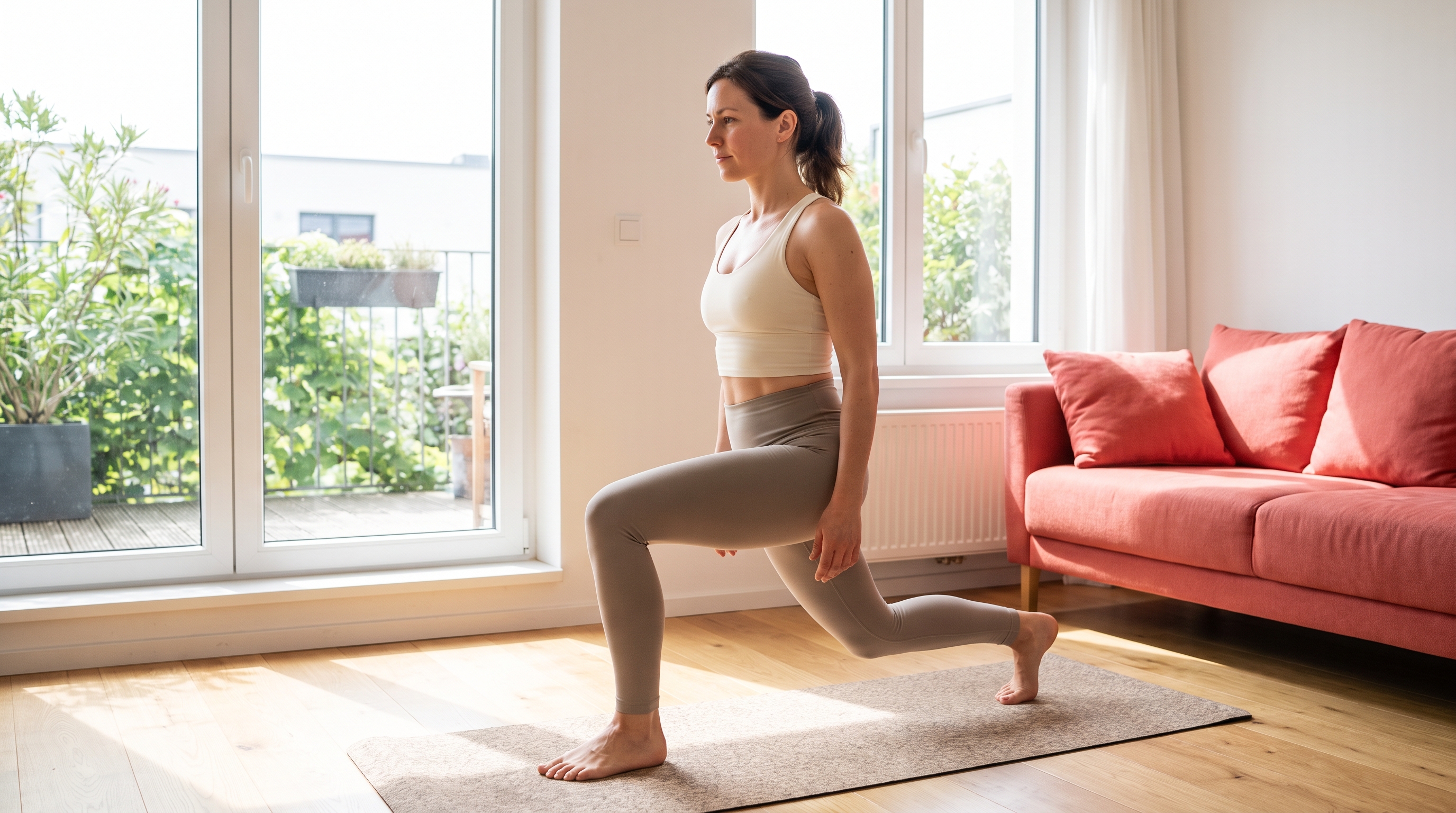
A bodyweight circuit of squats, push-ups and lunges asks your muscles to work against your own body weight, which is still resistance - just without a barbell attached to it.
Do that three or four times a week and you're building a habit of energy output, plus some muscle maintenance, which matters because muscle tissue costs more to maintain than fat tissue does.
The honest arithmetic: a 20-30 minute home session a few times a week adds up over a month, but it's a fraction of your total weekly energy balance compared with what you eat across 21 meals.
That's not a reason to skip it - it's a reason to pair it with a food plan rather than expecting the workout to carry the whole result by itself.
How Bodyweight Training Actually Burns Energy
Home workouts for weight loss lean on two separate mechanisms, and understanding both helps explain why consistency beats any single hard session.
Energy Spent During the Session
Every rep of a squat or push-up asks your body to move its own mass against gravity, and that movement costs energy right then and there, no equipment required.
Muscle That Keeps Working After You Stop
Resistance work - even bodyweight-only - gives your muscles a reason to stay rather than shrink, and muscle tissue has a higher maintenance cost than fat tissue, which is part of why strength training supports weight management beyond the workout itself.
How Many Home Sessions a Week Actually Moves Things
There's no single magic number, but a pattern of three to four sessions a week is realistic for most people and sustainable alongside a normal job and household.
Starting Point for Most People
Three sessions a week, 20-30 minutes each, covering full-body movement patterns, is enough to build the habit without burning you out in week one.
Here's a simple structure to apply this week:
| Day | Focus | Length |
|---|---|---|
| Monday | Full body circuit | 25 minutes |
| Wednesday | Full body circuit | 25 minutes |
| Friday | Full body circuit | 25 minutes |
| Weekend | Walk or light movement | 20-30 minutes |
Home Training Versus the Gym Commute Trade-Off
A gym session often means a drive, a wait for equipment and a shower before you can get on with your day - all of that time adds friction before you've done a single rep.
A living-room session with no commute removes most of that friction, and the exercise itself - squats, push-ups, lunges - works the same muscles either way.
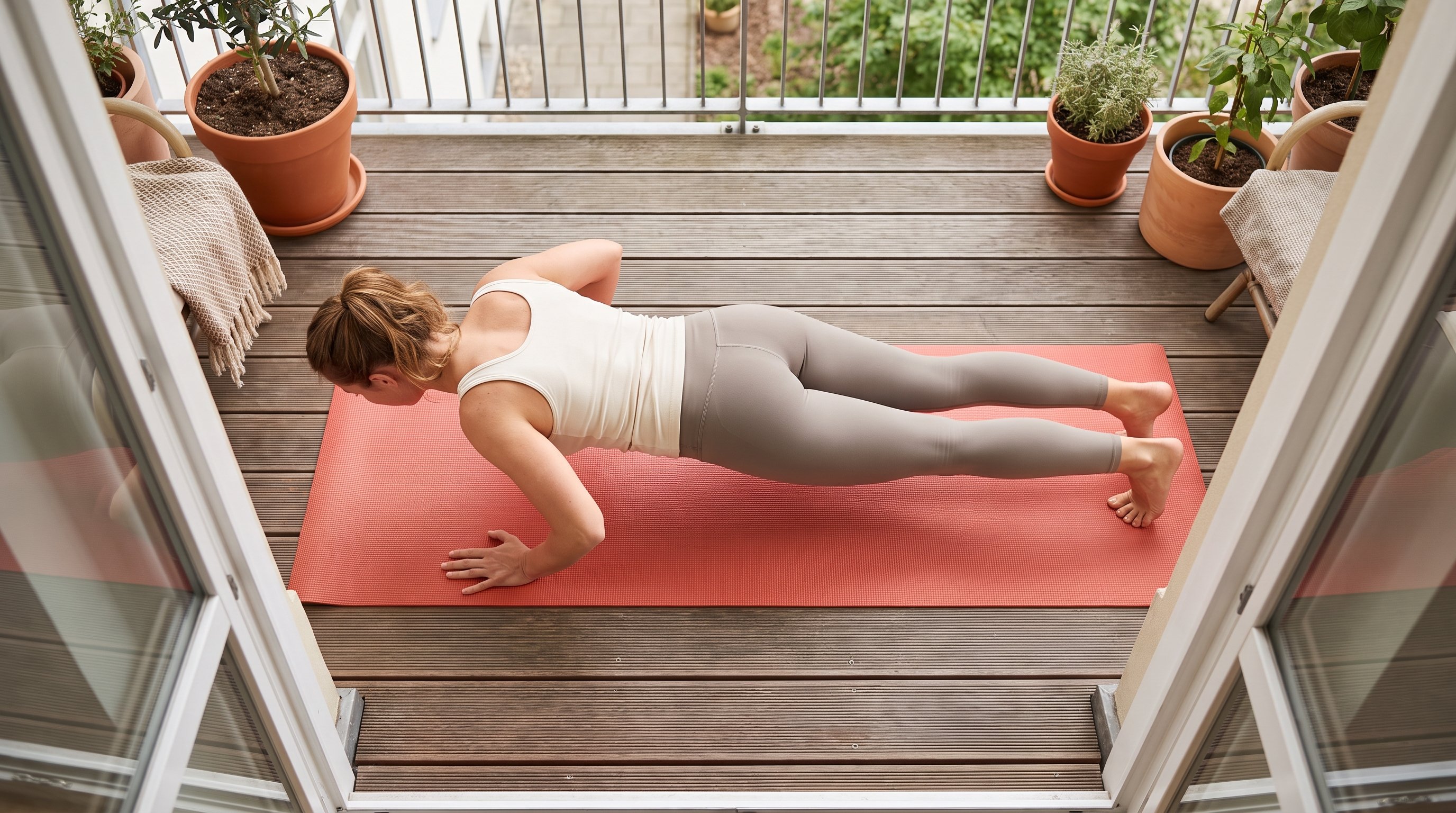
The adherence argument is simple: the workout you actually finish beats the harder one you keep postponing.
More sessions completed per month tends to matter more for weight loss than how intense any single session feels, which is exactly why the lower-friction option tends to win over time.
Making an at Home Workout Fit a Full Week
The real test isn't whether a workout plan looks good on paper - it's whether it survives a week with a late meeting, a sick kid, or a day you just don't feel like it.
Shortening a session to 15 minutes on a packed day, or swapping a circuit for a walk, keeps the habit alive even when the ideal version isn't possible.
This is where a tailored home workout plan helps, because Nordletics lays out beginner-friendly sessions you can do in your living room, so there's no equipment list or gym schedule standing between you and showing up.
Keeping steps, water intake and weight in one place also makes it easier to see the pattern of a month rather than judging yourself off any single day.
The Rapid Weight Loss Promise, Answered Honestly
No home workout plan makes weight drop off fast, and no amount of ab exercises reduces fat from one specific area of your body - that's not how the body spends stored energy.
Fat loss happens across the whole body based on your overall energy balance, not based on which muscle you just worked.
The real answer is less exciting but more useful: consistent sessions plus a sensible eating pattern, repeated over weeks, is what actually moves things - there's no shortcut that skips that combination.
What Actually Changes Your Weight Loss Results at Home
A few factors matter more than everything else combined, and they're worth ranking honestly.
The Three Biggest Levers
- What you eat - this has more weekly influence on the scale than any workout, since food choices touch every meal, not just the 25 minutes you train.
- How many sessions you finish - three completed 20-minute sessions a week beats one perfect hour-long workout you only manage occasionally.
- Sleep and stress load - a body running on poor sleep tends to make food choices harder to stick to, which indirectly undercuts the workout effort.
Mistakes That Quietly Stall Home Weight Loss Plans
Treating the Workout As the Whole Plan
Training hard while eating the same way as before rarely moves the scale - pair sessions with a food plan that matches your goal.
Starting at an Unsustainable Intensity
Daily hour-long sessions in week one usually lead to burnout by week three - start with three shorter sessions and build from there.
Judging Progress by the Scale Alone
Weight can hold steady even as muscle replaces fat - tracking waist measurements or how clothes fit gives a fuller picture.
Skipping Rest Days Entirely
Muscles need recovery time to adapt, so training every single day without a break tends to backfire through fatigue rather than speed up results.
Building Your at Home Workout for Weight Loss With Nordletics
Once the basic structure makes sense - a few sessions a week, paired with food that matches your goal - the next question is just how to keep doing it without it feeling like admin.
Nordletics brings the workout plan, a meal plan built around food you already like, and progress tracking into one place, so you're not juggling a spreadsheet and a separate workout app just to stay consistent.
The challenges and guides built into the app are there to keep the habit interesting past the first few weeks, which is usually where most plans quietly fall apart.
Get Your Workout Plan
Train Smarter Today
Starting Your at Home Weight Loss Routine This Week
Pick three days this week, block 25 minutes on your calendar, and commit to nothing more complicated than a full-body bodyweight circuit on each one.
Pair that with one honest look at what you're eating, since that's the half of the equation a workout alone can't cover - and if you want both pieces built for you, Nordletics puts the workouts and the meal plan in the same place so you're not starting from a blank page.
FAQ
Yes, movement at home contributes to your weekly energy spend the same way gym movement does, but pairing it with a sensible eating pattern makes the result far more likely to show up over time.
Bodyweight exercises still ask your muscles to work against resistance - your own body weight - and that resistance can be made harder through more reps, slower tempo or less rest between sets.
A shorter 15-minute session still counts toward your weekly total, and three short sessions finished beats one long session you keep postponing.
This is the point where most plans stall, which is exactly why having a structure - like the session plans and tracking inside Nordletics - matters more than relying on how motivated you feel on any given day.
Share this post