Bodyweight Exercises: Where to Start Without the Gym Route
By:Author:Nordletics Editorial
Updated on:October 28, 2026
- Getting Your First Bodyweight Session Off the Ground
- How Many Bodyweight Sessions a Week Actually Helps
- Fitting Bodyweight Training Around a Packed Week
- A Simple Starting Structure for the First Month
- When Bodyweight Training Starts to Feel Routine
- Where Beginner Bodyweight Routines Go Wrong
- Building Bodyweight Habits With Nordletics
- Starting Small and Letting Bodyweight Training Build
The simplest way to start bodyweight exercises is with a short list of movements you already know how to do: squats, push-ups, lunges and planks, done on a basic weekly schedule with no equipment required.
Bodyweight training works because it uses your own mass as resistance, and your muscles cannot tell the difference between a loaded barbell and a controlled push-up done well.
This guide covers the first steps to take, how often to train, a simple four-week starting structure, the point where most people quit, and the mistakes that get in the way.
Getting Your First Bodyweight Session Off the Ground
You do not need a plan with twenty exercises to begin. You need a short list you can repeat without having to think about it.
First Steps for a Bodyweight Routine
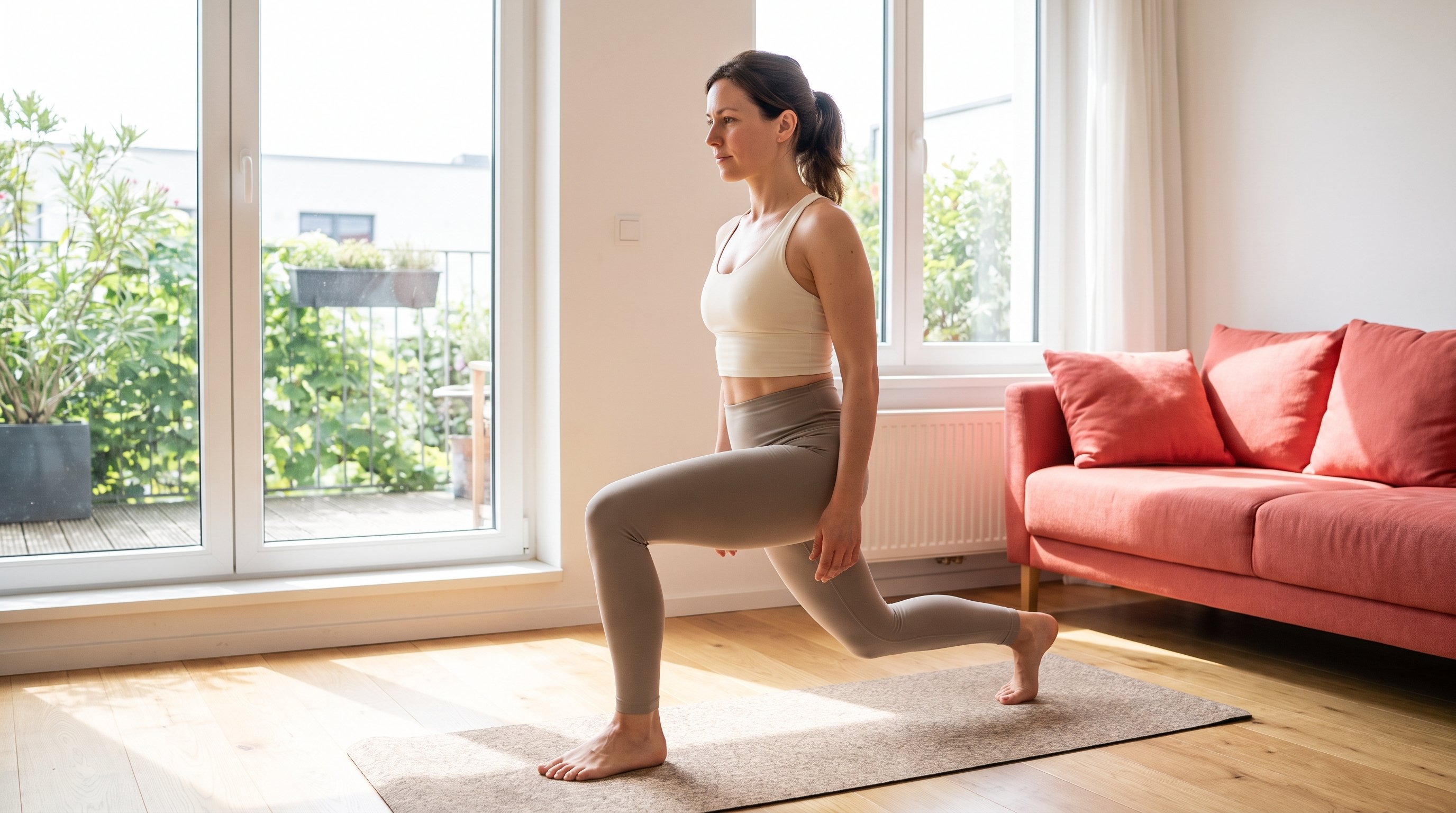
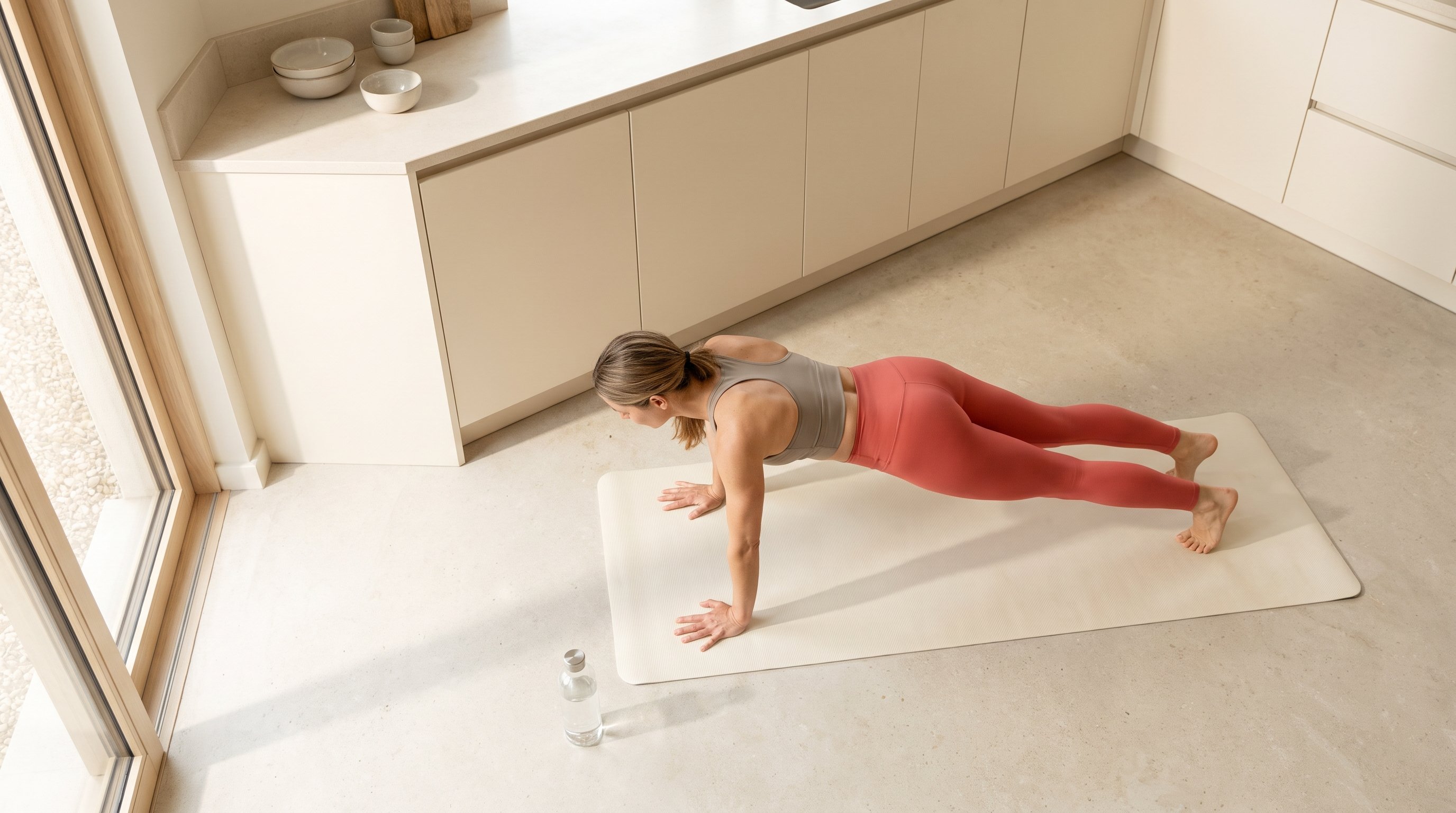
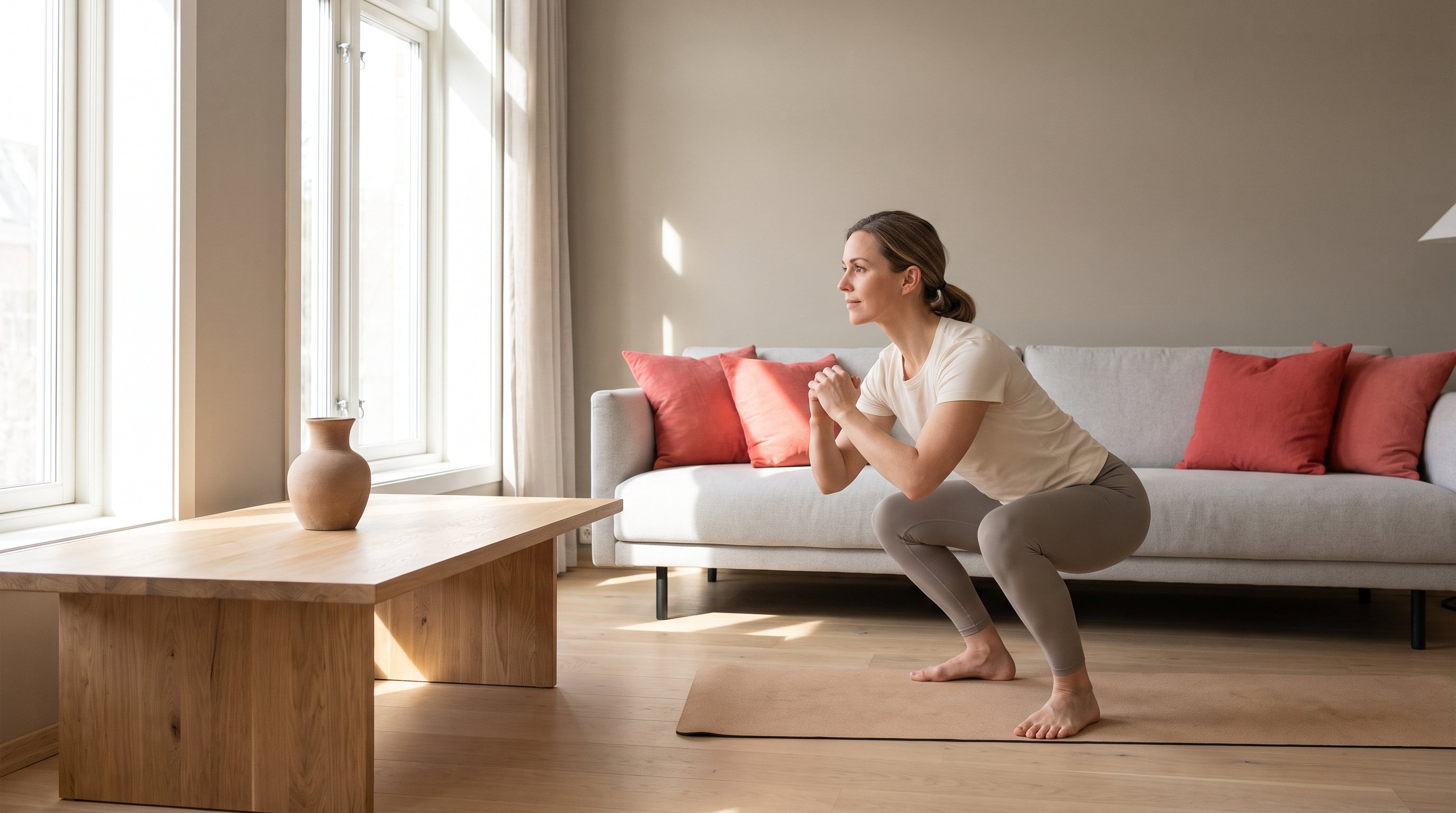
- Pick four moves - a squat, a push-up variation, a lunge, and a plank cover most of the body in one short session.
- Clear a small space - a couple of metres of floor is enough, no mats or machines required.
- Set a rep target you can finish - start with a number you could do twice over, not the number that wrecks you.
- Time the session - fifteen to twenty minutes is plenty for a first attempt.
- Write down what you did - even a note on your phone helps you repeat or adjust next time.
- Rest a day between sessions - the first week is about learning the movements, not grinding through soreness.
- Repeat before you add anything new - a second or third pass at the same four moves tells you more than switching exercises every session.
None of this needs to look impressive. It needs to be repeatable, because repeatable is what actually changes anything over time.
How Many Bodyweight Sessions a Week Actually Helps
Finding a Frequency You Can Sustain
Three sessions a week is a workable starting point for most people, leaving rest days in between so the body has time to adapt.
Going from zero to daily training is one of the fastest ways to burn out in the first fortnight. Fewer sessions done consistently beats a packed schedule abandoned by week two.
| Stage | Frequency | Session Length |
|---|---|---|
| Just starting out | 2-3 sessions a week | 15-20 minutes |
| A few weeks in | 3-4 sessions a week | 20-25 minutes |
| Comfortable with the basics | 4 sessions a week | 25-30 minutes |
| Looking for more challenge | 4-5 sessions a week | 30 minutes |
Fitting Bodyweight Training Around a Packed Week
The honest limitation here is that movement alone moves slowly without a change to what you eat alongside it. Bodyweight sessions build strength and habit, but the scale responds faster when training and food work together.
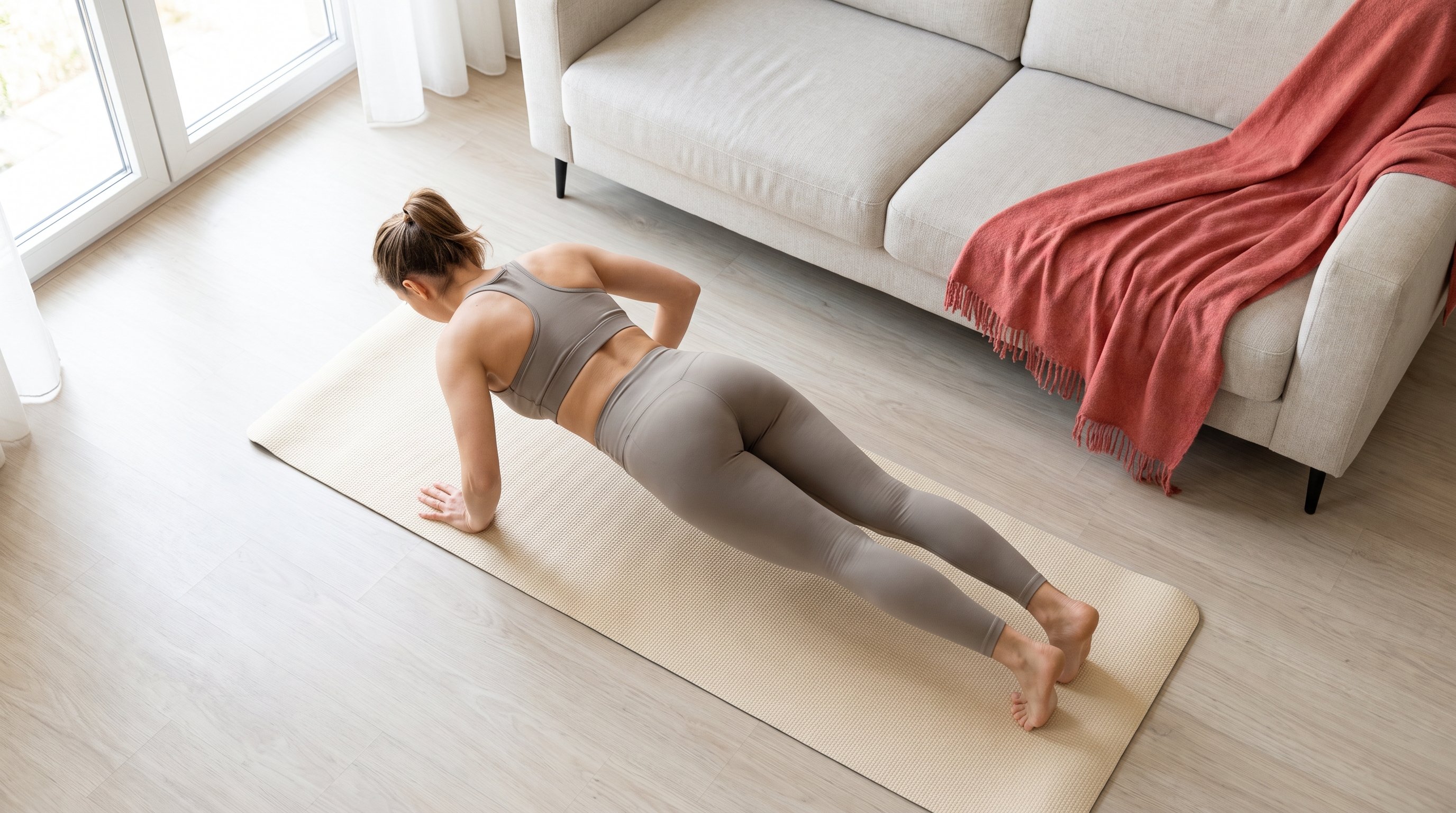
Sessions completed per month matters more than how hard any single session felt. A short, consistent routine fits around a packed calendar far better than an ambitious one you keep cancelling.
This is where Nordletics fits the picture: it lays out beginner-friendly home workouts alongside a meal plan built around food you already like, so the training side and the eating side are not two separate projects fighting for attention.
A Simple Starting Structure for the First Month
The order of this plan matters more than the exact numbers in it. Each stage asks for slightly more than the one before, without jumping straight to the hard version.
| Stage | Focus | What Changes |
|---|---|---|
| Week 1 | Learn the four core moves | Light reps, focus on form |
| Week 2 | Repeat with slightly higher reps | Same four moves, more volume |
| Week 3 | Add a fifth movement | Try a glute bridge or step-up |
| Week 4 | Add a second weekly session | Keep rest days between sessions |
When Bodyweight Training Starts to Feel Routine
The first couple of weeks usually feel like effort with little payoff, and that's the point where a lot of people quietly stop. Nothing dramatic happens fast, and that's normal rather than a sign something's wrong.
What tends to shift first is how a session feels, not how you look. Movements that felt awkward in week one start to feel automatic, and that's usually the signal to add a bit more rather than a reason to stop.
Be patient with the process rather than watching for a specific number on a specific date. Consistency over weeks, not a single standout session, is what actually adds up.
Where Beginner Bodyweight Routines Go Wrong
Starting With Too Many Exercises
A ten-move routine on day one is hard to remember and harder to repeat. Trim it down to four or five moves until they feel familiar.
Training Every Day From the Start
Daily sessions with no rest days wear people down before the habit forms. Two or three sessions a week with gaps between them gives the body time to adapt.
Chasing Reps Over Form
Rushing through sloppy push-ups to hit a number does less for you than fewer, controlled reps. Slow the movement down before adding more of it.
Expecting Visible Change Within Days
Checking for results after a handful of sessions sets up disappointment that has nothing to do with whether the plan is working. Give it longer before judging anything.
Ignoring the Food Side Entirely
Training without any attention to what you're eating slows everything down. Even small, steady changes to meals alongside the workouts make the training work harder for you.
Building Bodyweight Habits With Nordletics
Starting bodyweight exercises on your own is doable, but sticking with them for months is a different challenge, and that's the part most people underestimate.
Nordletics lays out simple, beginner-friendly home workouts so you're never guessing what to do next, and pairs that with progress tracking for steps, water and weight in one place so you can see the pattern building rather than relying on memory.
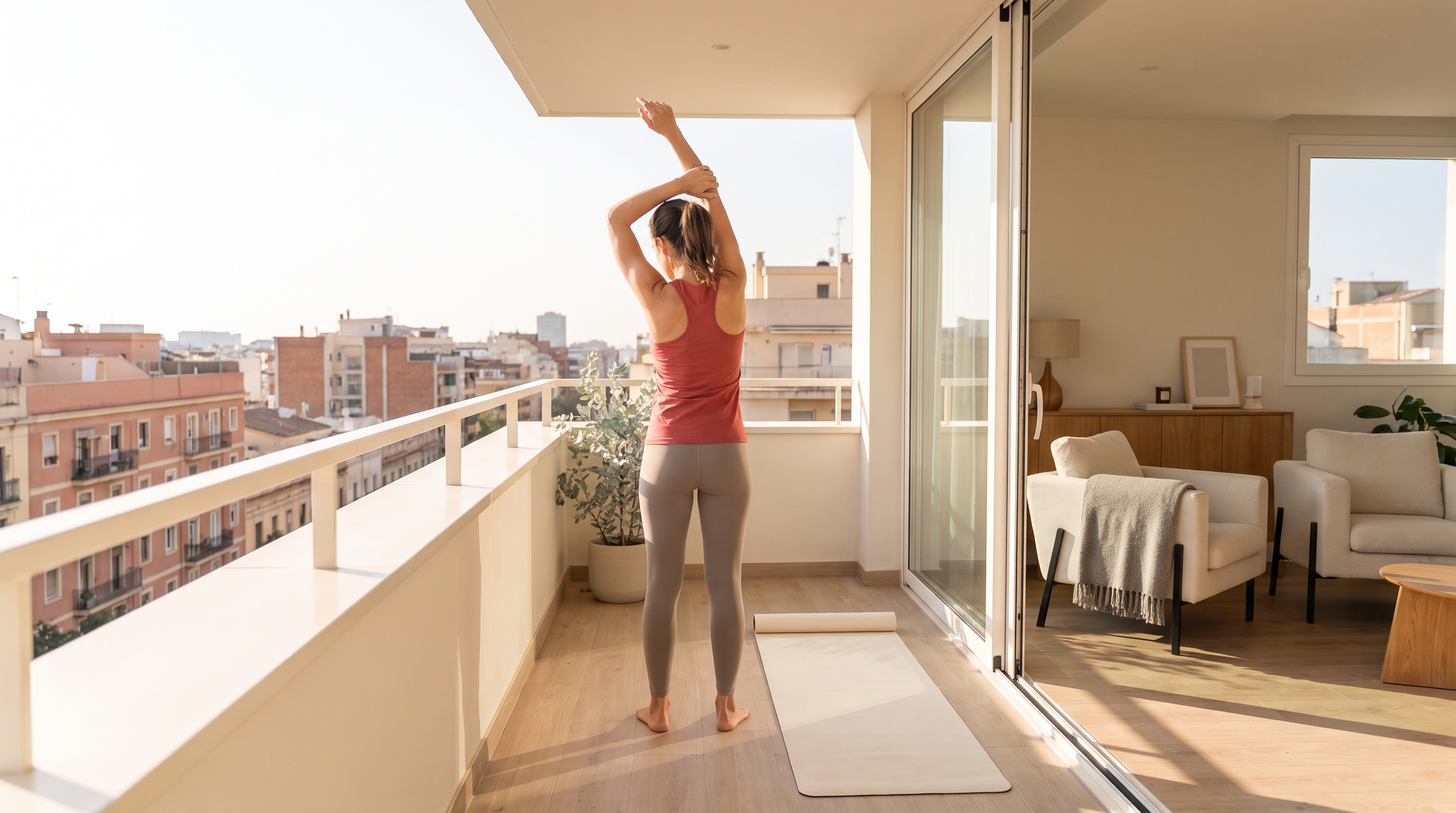
Get Your Workout Plan
Train Smarter Today
Starting Small and Letting Bodyweight Training Build
Bodyweight exercises do not need a gym, equipment or a complicated plan to be worth doing. A short, repeatable routine of squats, push-ups, lunges and planks, done a few times a week, is enough to build from.
Pick a handful of moves, give yourself a few weeks before judging anything, and let the routine become ordinary rather than a project. If you want the plan built for you, Nordletics puts a structured starting point and a meal plan in the same place so you're not piecing it together alone.
FAQ
Yes, because your own body supplies the resistance, and adjusting reps, pace or the exercise variation keeps the challenge increasing over time. Progression doesn't require a barbell, just a way to make the same movement harder.
Harder variations of the same basic moves, like single-leg squats or slower push-up tempos, keep the challenge going well past the beginner stage. The ceiling is higher than it looks at first glance.
A short fifteen-minute session done consistently beats an hour-long plan that keeps getting skipped. Nordletics builds its home workouts around short, beginner-friendly sessions for exactly this reason.
The first couple of weeks feel like effort with little visible payoff, and that gap is where most routines fall apart. Sticking with a smaller, repeatable version of the plan through that stretch matters more than how intense any single session is.
Share this post