Beginner Home Workout: A Guide To Getting Started
By:Author:Nordletics Editorial
Updated on:October 28, 2026
- Setting Up Your First Beginner Home Workout
- How Many Days a Beginner Should Train
- Making a Home Workout Routine Stick to Your Week
- A Four-Week Starting Structure for Beginners
- Where Beginners Tend to Give Up
- Common Beginner Home Workout Errors
- How Nordletics Supports a Beginner Home Workout
- Starting Your Beginner Home Workout This Week
A beginner home workout just needs a small space, bodyweight moves like squats and push-ups, and a short routine done a few times a week. Nothing fancy, no equipment required.
The mechanism is simple: muscles adapt to being asked to work, and that adaptation happens whether the load comes from a barbell or your own bodyweight. The body does not know the difference between a gym floor and a living room rug.
This guide covers how to structure the first sessions, how often to train, a four-week starting plan, the point where most people quit, and the mistakes worth avoiding from day one.
Setting Up Your First Beginner Home Workout
Getting the first session right matters more than getting it perfect. A clear, repeatable structure beats a complicated plan you abandon after two days.
First Session Steps
- Clear a small space - enough room to lie down and stretch your arms out is plenty.
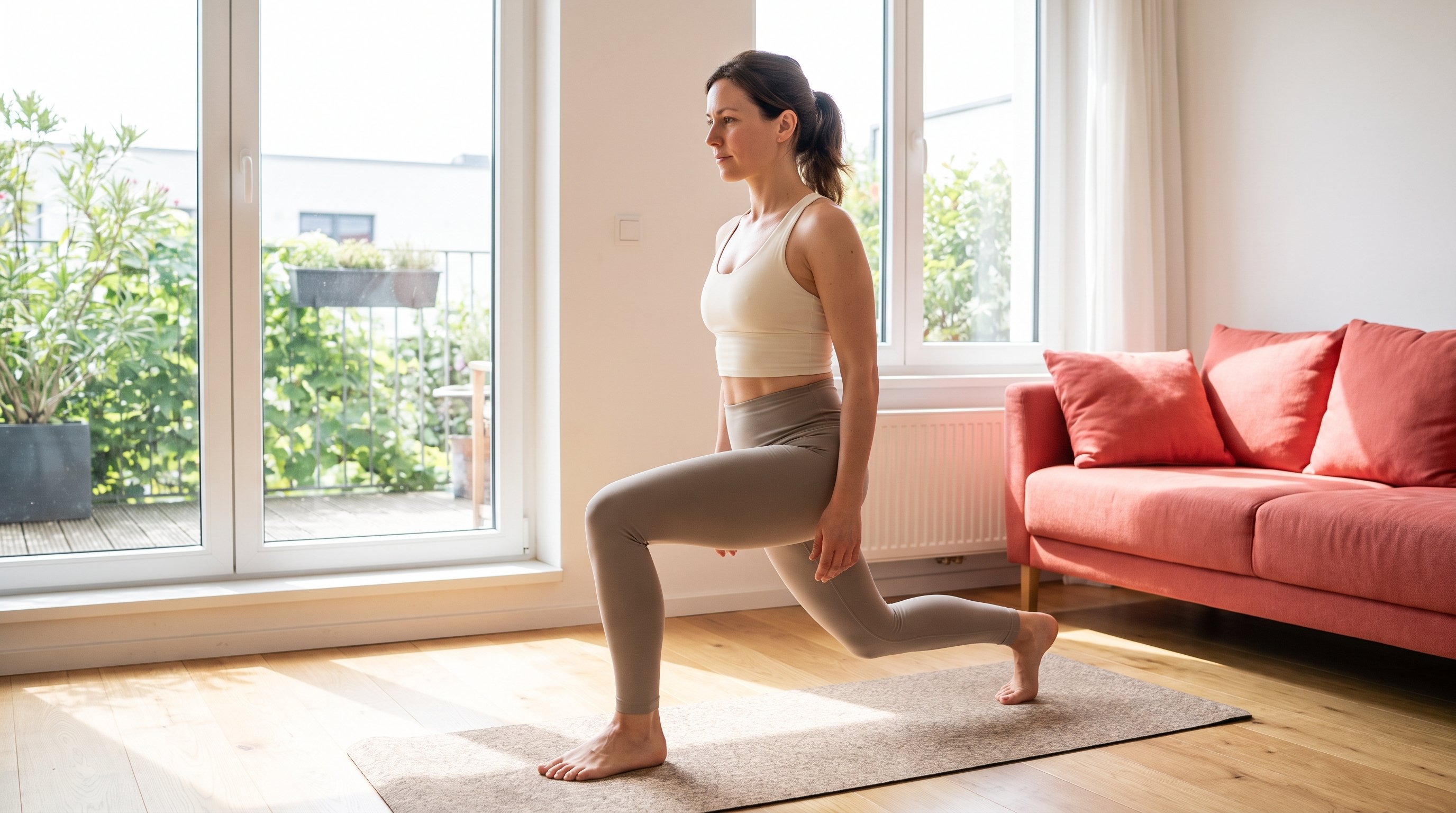
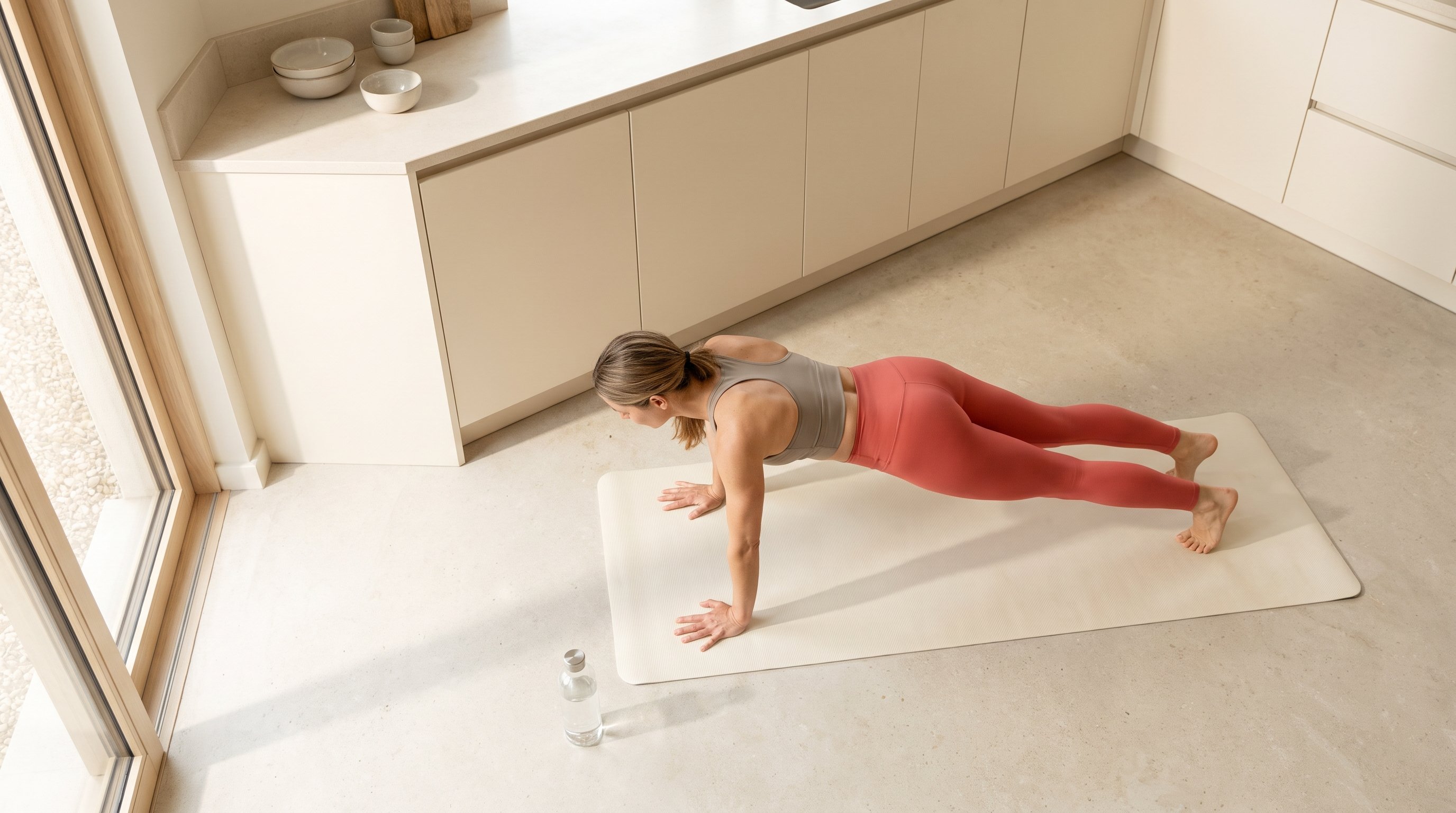
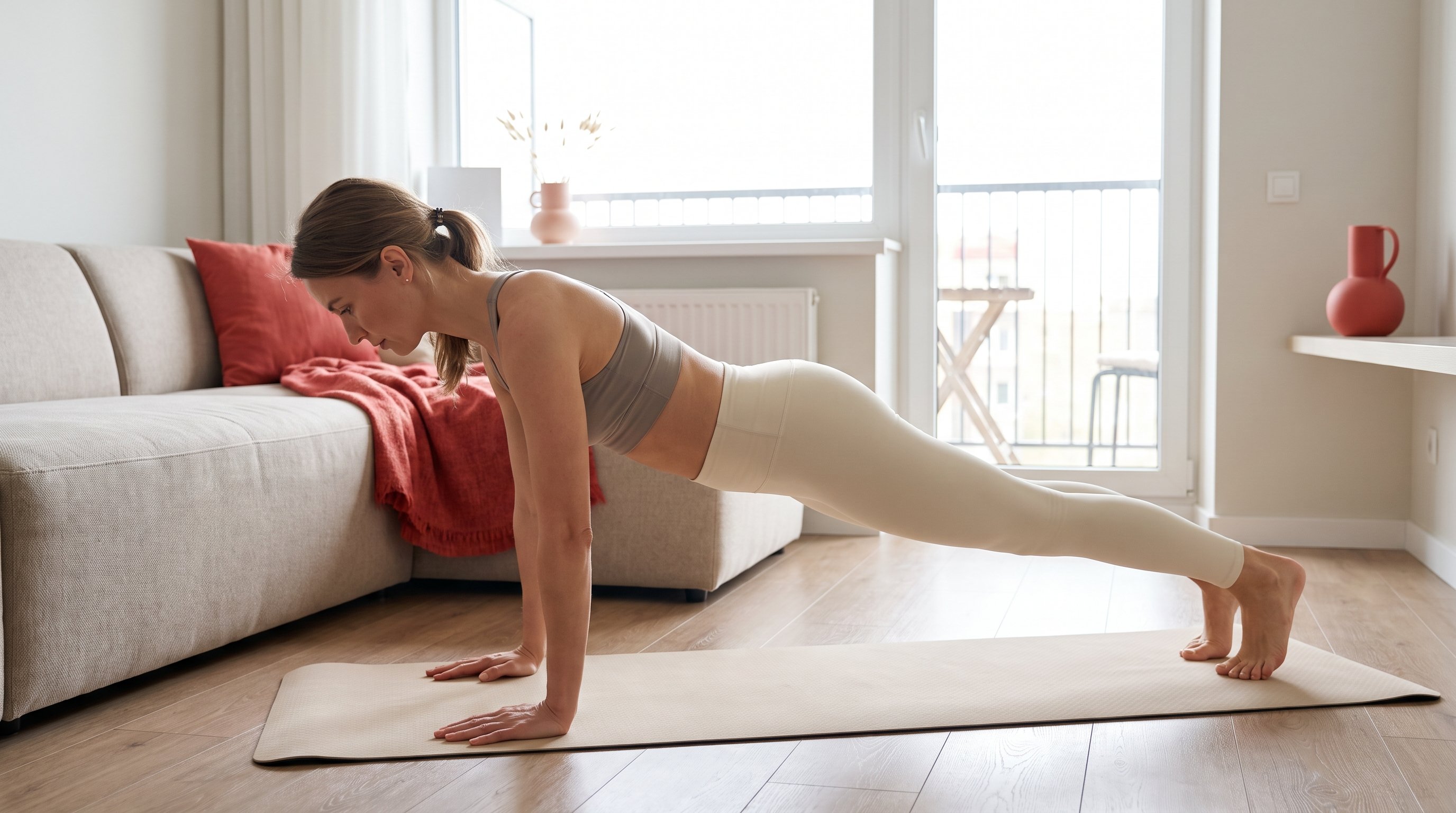
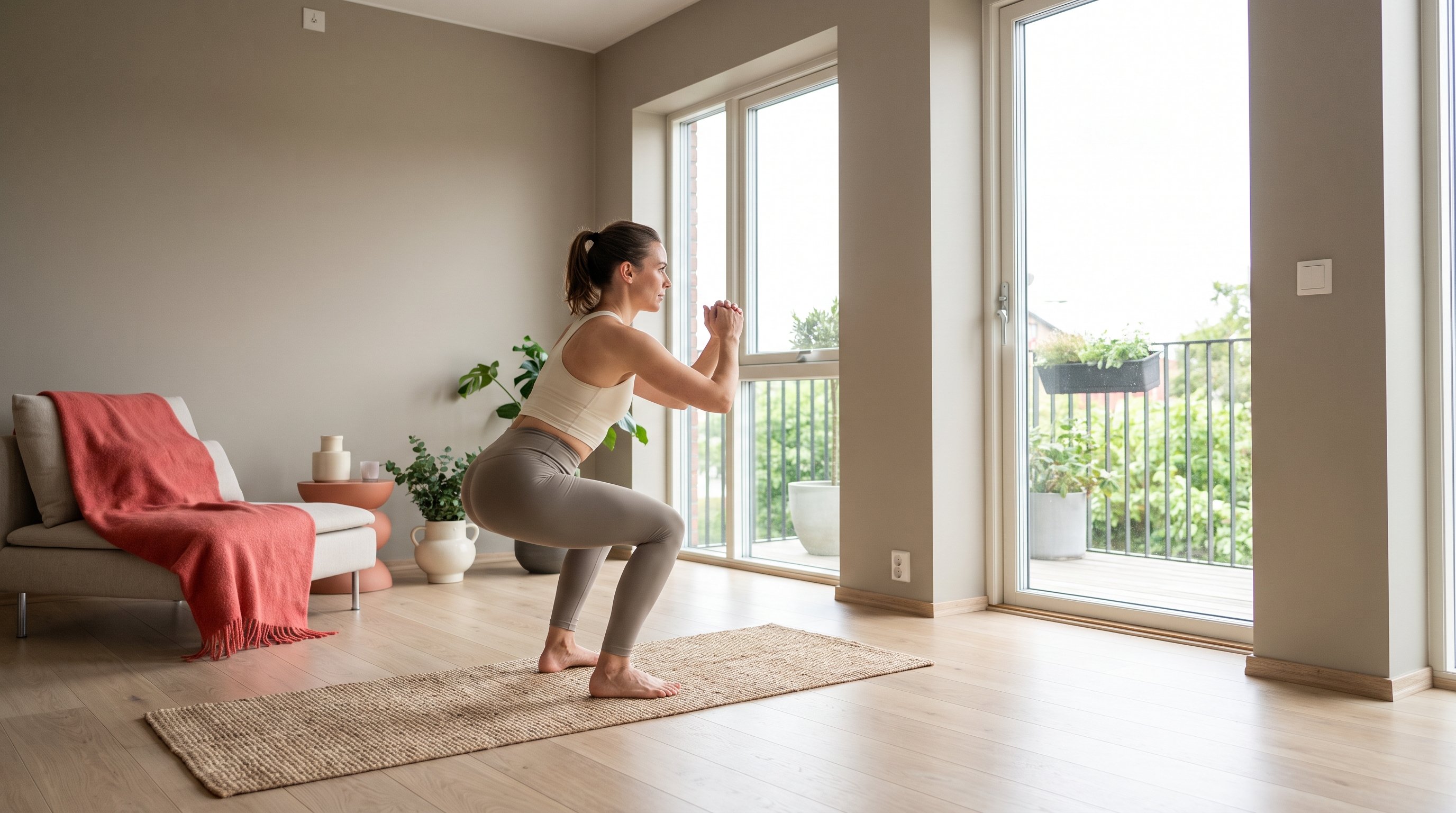
- Pick four or five moves - squats, push-ups, lunges, planks and glute bridges cover most of the body.
- Warm up for a few minutes - light marching on the spot or arm circles gets blood moving before load goes on.
- Work in short rounds - a set of each move, a short rest, then repeat two or three times.
- Keep form honest - slower and controlled beats fast and sloppy, especially in week one.
- Cool down briefly - a minute or two of stretching the muscles you just used helps you walk away feeling fine, not wrecked.
- Write down what you did - even a rough note of moves and reps makes next week's session easier to plan.
None of this needs to look impressive. The only job of session one is to prove the routine is doable, so session two feels less like a decision and more like a habit forming.
How Many Days a Beginner Should Train
For someone starting from zero, two to four sessions a week is enough to build a habit without burning out before the second week even starts.
Why Frequency Beats Intensity Early On
A short, repeated session builds the habit loop faster than one long, brutal workout that leaves you sore and reluctant to come back. Consistency across the month is what actually accumulates - a single hard session does not.
| Stage | Sessions per Week | Typical Length |
|---|---|---|
| Week 1-2 | 2 sessions | 15-20 minutes |
| Week 3-4 | 3 sessions | 20-25 minutes |
| Month 2 | 3-4 sessions | 25-30 minutes |
| Ongoing | 3-4 sessions | 30 minutes |
These numbers are a starting point, not a rulebook. Some weeks will only fit two sessions and that is still progress compared with zero.
Making a Home Workout Routine Stick to Your Week
A workout plan only works if it survives contact with a real week - school runs, late meetings, tired evenings. The routine that lasts is the one built around the life you already have, not the one that assumes a spare hour every day.
Short sessions done at home remove two of the biggest friction points - travel time and gym anxiety - which is exactly why so many beginners find them easier to repeat than a gym membership. Nordletics builds on that by offering home workout plans that fit into short windows, so the exercise itself never becomes the reason the week gets derailed.
Movement alone tends to be slow going without also paying attention to what you eat, which is worth keeping in mind as the weeks add up.
A Four-Week Starting Structure for Beginners
The order below matters more than the exact numbers - start light, add volume gradually, and let the body adjust before asking more of it.
| Week | Focus | What Changes |
|---|---|---|
| Week 1 | Learn the moves | 2 short sessions, light effort |
| Week 2 | Build the habit | 2-3 sessions, same moves |
| Week 3 | Add a round | 3 sessions, one extra set |
| Week 4 | Add variety | 3-4 sessions, new moves added |
By week four, the goal is not a dramatic transformation - it is a routine that feels familiar enough to repeat without having to think about it.
Where Beginners Tend to Give Up
The drop-off point for most beginners lands somewhere around week two or three, right after the initial motivation fades and before the habit has properly formed.
That gap is normal, not a sign anything is wrong. Expecting it ahead of time makes it far easier to push through rather than read it as failure.
Progress at this stage is usually quiet - slightly easier sessions, slightly less soreness, a bit more confidence in the movements. It rarely shows up as a dramatic before-and-after, and it is not supposed to on any fixed timeline.
Common Beginner Home Workout Errors
Doing Too Much, Too Soon
Starting with daily hour-long sessions is a fast route to soreness and quitting. Two or three short sessions a week, built up gradually, last longer than one heroic week.
Skipping the Warm-Up
Going straight into squats or push-ups cold increases the chance of feeling stiff and discouraged the next day. A few minutes of light movement first makes the actual workout feel easier.
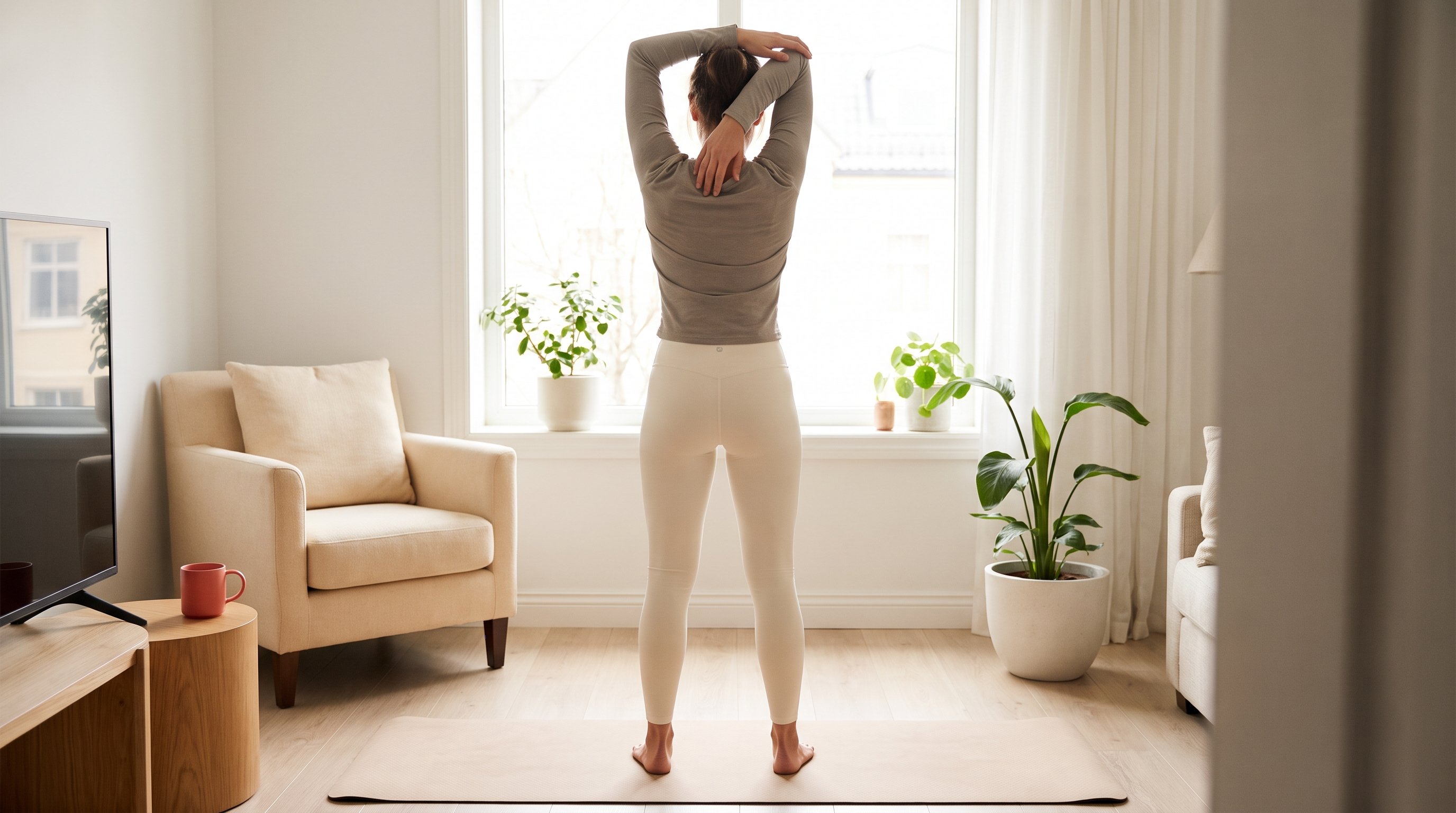
Chasing Soreness As Proof of Progress
Feeling wrecked after every session is not a badge of honour, and it often means the next session gets skipped. Steady effort that lets you train again in two days beats a session so hard it takes a week to recover from.
Ignoring Nutrition Entirely
Training consistently while eating the same way as before slows down how much the effort shows. A simple meal plan built around food you already like closes that gap without requiring a complete diet overhaul.
Expecting a Straight Line
Some weeks will feel easier than others and that is not backsliding. Tracking sessions over a month gives a far more honest picture than judging any single day.
How Nordletics Supports a Beginner Home Workout
Getting through the first month is less about finding the perfect exercise and more about having a plan that removes the guesswork on the days motivation is low.
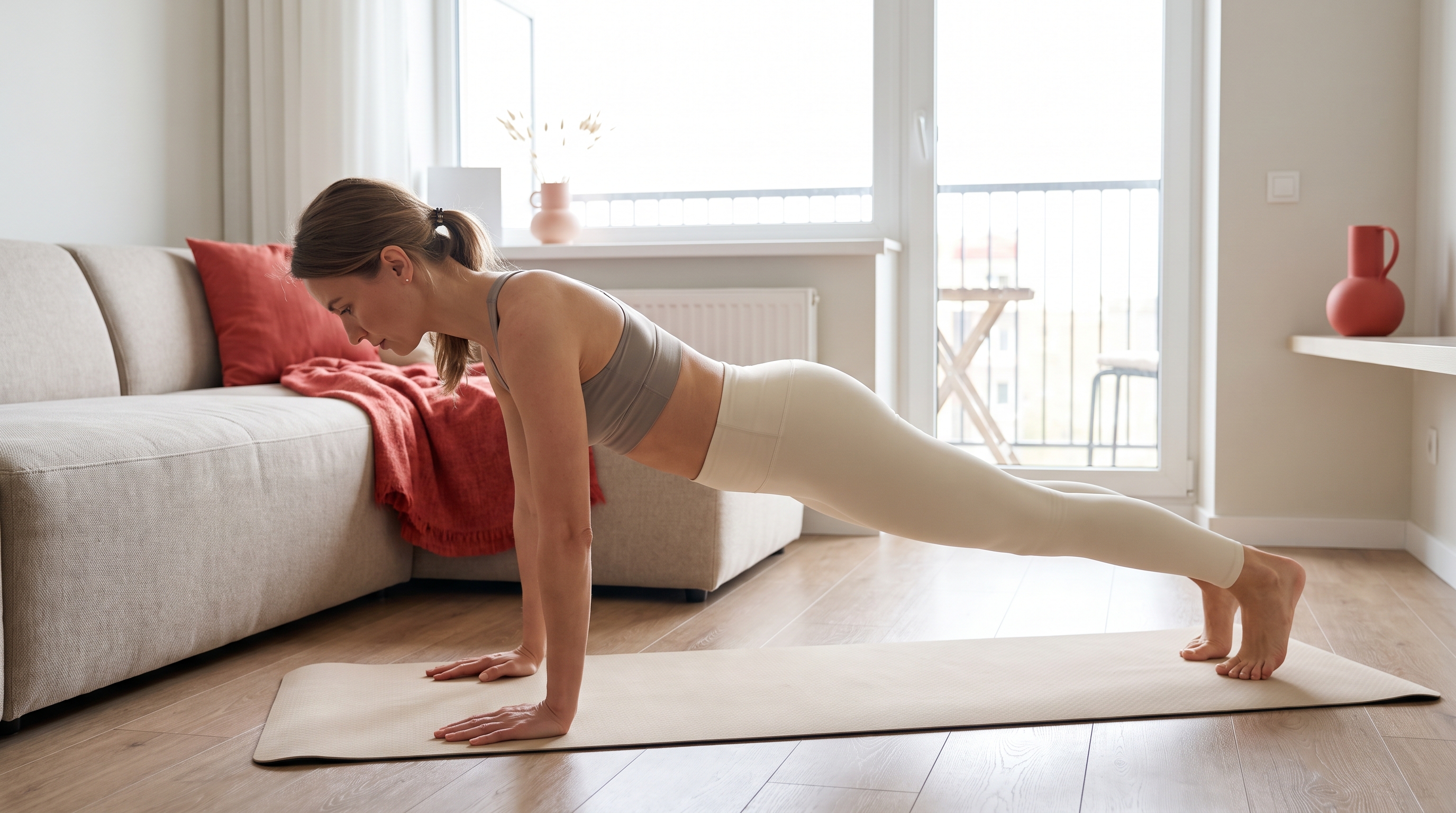
Nordletics offers tailored home workout plans built for beginners, along with progress tracking for weight, steps and water intake so the small wins stay visible even when the mirror does not show much yet. Add in a meal plan built around food you already like and a mindfulness guide for the days stress gets in the way, and the whole first month becomes easier to stick with rather than something to white-knuckle through.
Get Your Workout Plan
Train Smarter Today
Starting Your Beginner Home Workout This Week
The single most useful action right now is picking two days this week and putting a short session on the calendar, not waiting for a perfect Monday to begin.
Nordletics can take the planning off your plate from there, pairing the workouts with a meal plan and tracking so the first month has a clear shape instead of guesswork.
FAQ
It depends on the person, how consistent the sessions are, and whether eating habits change alongside the training. Focus on showing up for the sessions each week rather than watching for a specific date.
Bodyweight moves like squats, push-ups and lunges create the same type of muscular effort a gym machine does, just using your own bodyweight as resistance instead of a stack of plates. A gym adds more loading options later, but it is not required to get started.
The routines in this guide need roughly the space of a yoga mat and nothing else. That is the entire point of a bodyweight approach - it is designed to work around a lack of equipment, not despite it.
That dip is normal and usually means the habit has not fully formed yet, not that the plan has failed. Nordletics' challenges and progress tracking are built to give you something to aim at on exactly those low-motivation days.
Share this post