Sugar Free Meals: How to Cut Added Sugar and Make It Stick
By:Author:Nordletics Editorial
Updated on:October 20, 2026
- What a Sugar Free Day Actually Looks Like
- How Much Added Sugar to Cut and How Fast
- Why Scratch Cooking Beats Reading Every Label
- Making Unsweetened Eating Work Around a Real Week
- Adjusting No-Added-Sugar Eating to Fit Your Situation
- When Unsweetened Eating Starts to Feel Normal
- Keeping Added Sugar Low With Nordletics
- Turning Unsweetened Eating Into a Lasting Pattern
Sugar free meals are meals built around whole foods - protein, vegetables, whole grains, fruit - with no added sugar mixed in during cooking or on the label. The goal isn't zero sugar ever, it's cutting the added kind that sneaks into sauces, dressings, bread and drinks.
The mechanism is simple: added sugar is extra calories with no fibre or protein attached, so it fills you up less per calorie than the food it replaces. Swap it out and most people end up eating more filling food for the same energy intake, without needing to count anything.
This article covers what a day of eating without added sugar looks like, how much added sugar is reasonable to cut and how fast, why this approach tends to stick better than a strict no-sugar rule, and how to fit it into a normal week.
What a Sugar Free Day Actually Looks Like
There's no special menu here, just meals where nothing's been sweetened on the way to your plate.
A Sample Day Without Added Sugar
- Breakfast - plain oats with chopped fruit and a spoon of nut butter, no flavoured syrup or instant packet
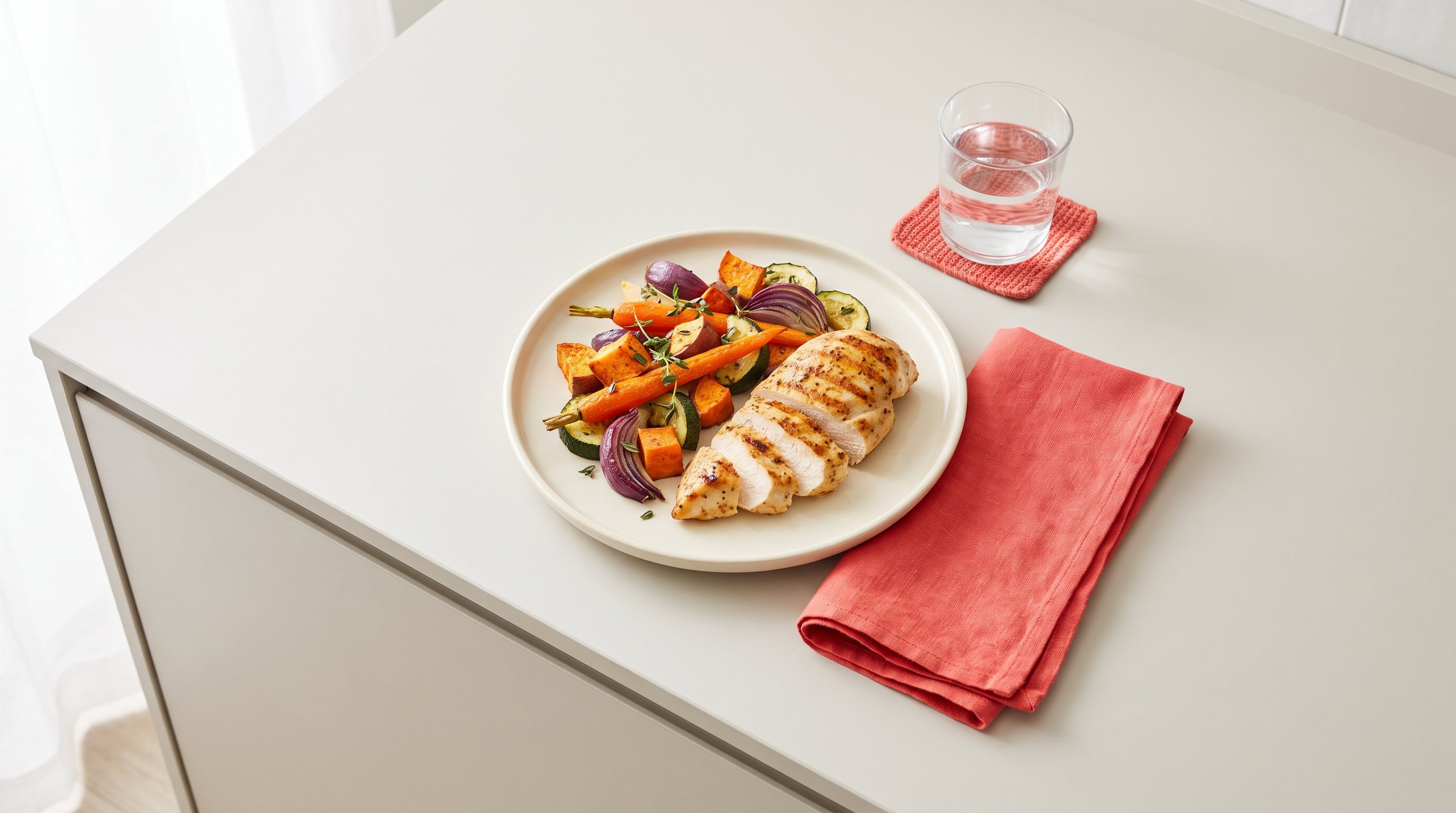
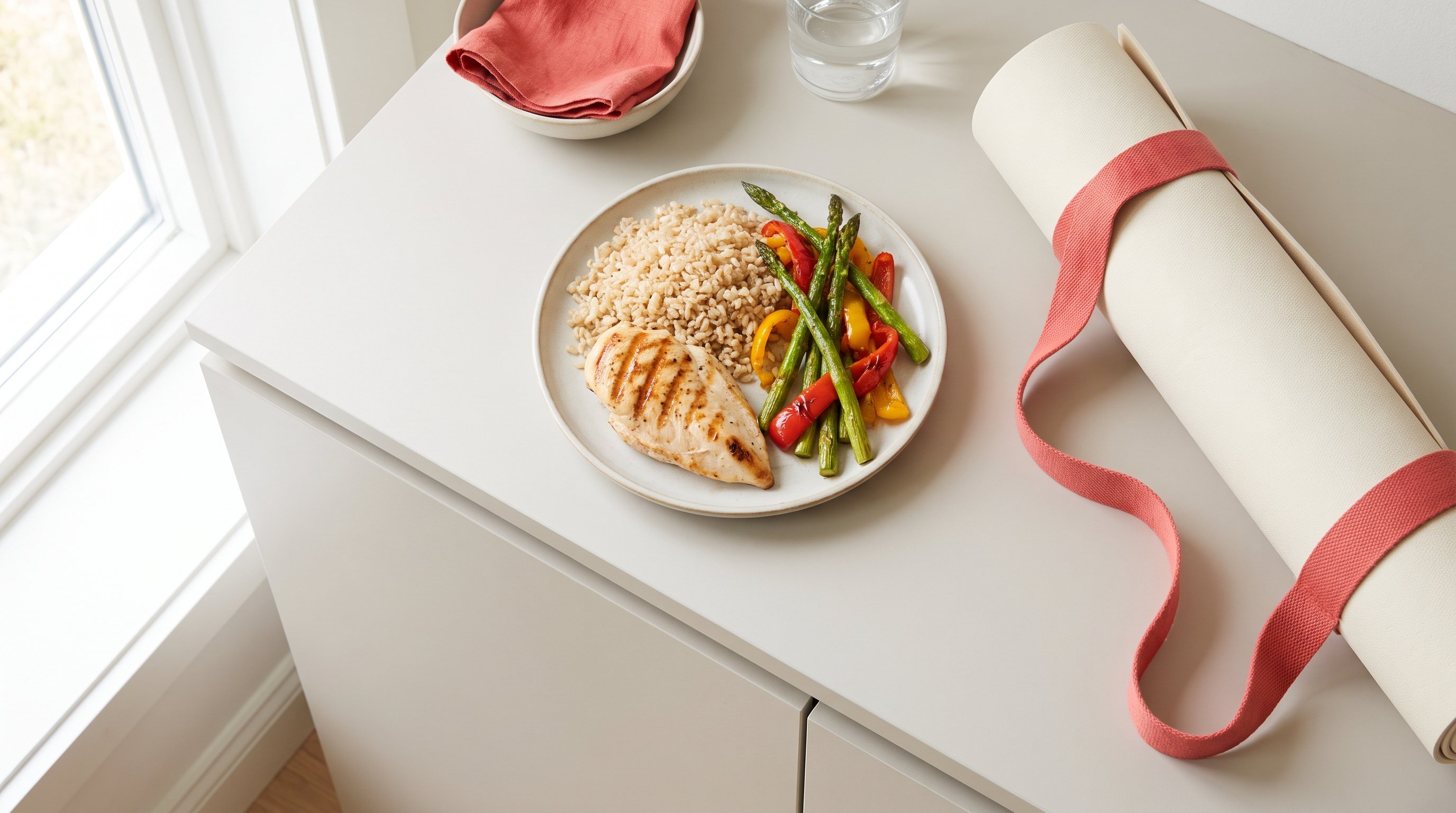
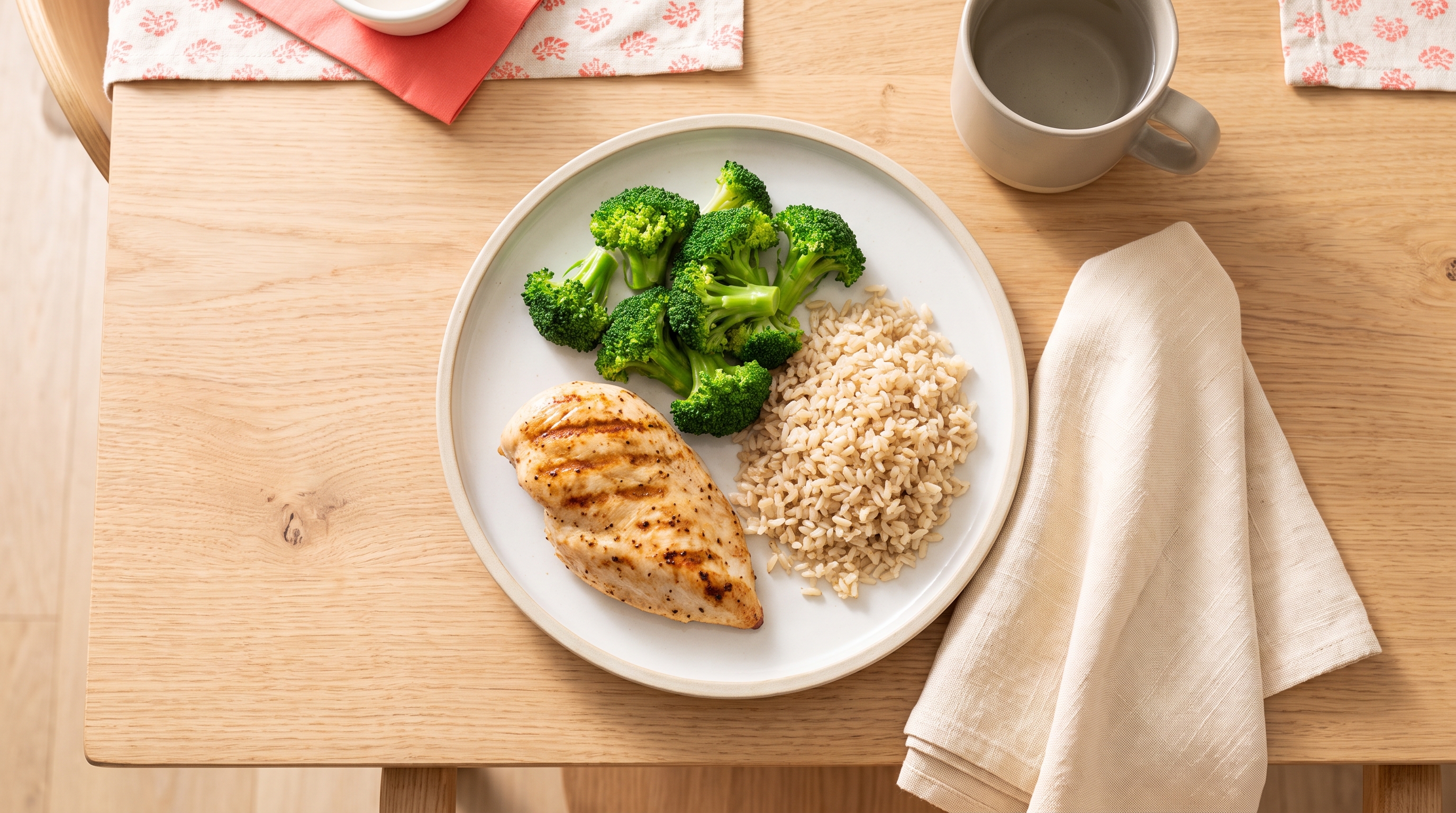
- Lunch - grilled chicken or tofu, mixed vegetables, rice, dressed with olive oil and lemon instead of a bottled sauce
- Snack - a handful of nuts or plain yoghurt with berries stirred in, not a flavoured cup
- Dinner - baked fish or beans, roasted vegetables, a side salad with vinegar and oil
- Drink - water, black coffee or plain tea instead of a sweetened drink across the day
Notice none of this is about removing carbs or fruit - the fruit itself isn't the problem, the added sugar poured on top of other food is.
How Much Added Sugar to Cut and How Fast
A Gradual Swap Works Better Than an Overnight Ban
Trying to hit zero added sugar from day one usually backfires because it removes too many familiar foods at once. A steadier approach is to swap one sweetened item for an unsweetened version each week until most meals are built from scratch.
| Common Item | Sugar Free Swap |
|---|---|
| Breakfast cereal | Plain oats or wholegrain toast |
| Flavoured yoghurt | Plain yoghurt plus fresh fruit |
| Bottled sauce or dressing | Oil, vinegar, herbs |
| Sweetened drinks | Water, black coffee, plain tea |
| Packaged snack bars | Nuts, seeds, plain fruit |
One swap at a time is easier to repeat than a full kitchen overhaul, and repetition is what actually changes the pattern.
Why Scratch Cooking Beats Reading Every Label
There are two ways to cut added sugar: scan every label for hidden sugar, or cook meals from ingredients that never had sugar added in the first place. Label-reading works but it's slow, and it falls apart the moment you're tired, busy or eating out.

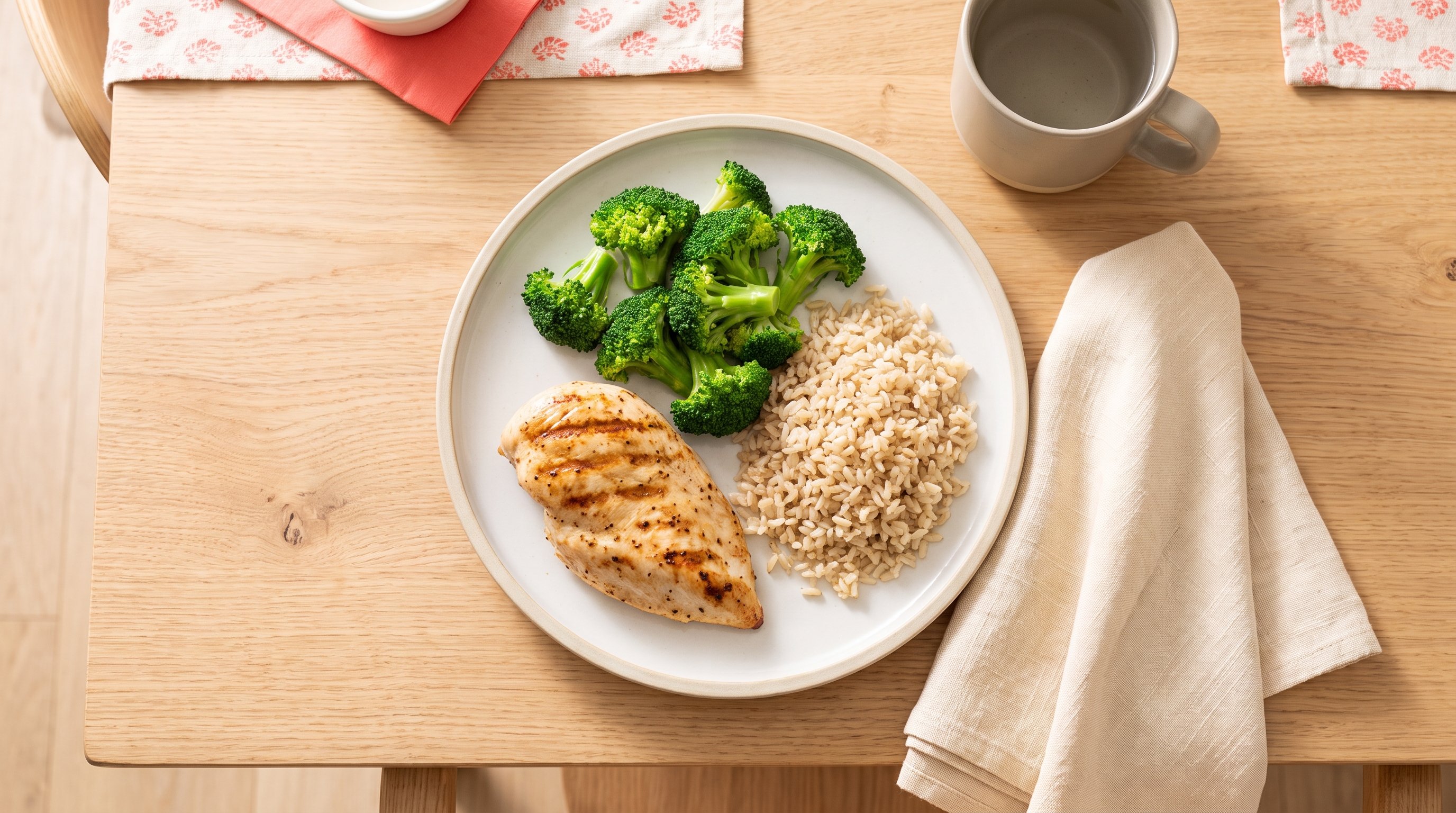
Cooking from whole ingredients sidesteps the problem completely - plain chicken, rice and vegetables simply don't have added sugar to check for. It takes more prep up front, but it needs less decision-making every single meal, which is the part that actually determines whether you keep doing it.
Making Unsweetened Eating Work Around a Real Week
The biggest barrier isn't willpower, it's having nothing ready when you're hungry and short on time.
Batch cooking a base of protein, grains and roasted vegetables on one day covers several meals without extra decisions later in the week.
This is where a meal plan built around food you already like helps, because Nordletics lays out meals in advance so you're not improvising a dinner without added sugar at seven in the evening with an empty fridge.
Adjusting No-Added-Sugar Eating to Fit Your Situation
If You're Just Starting Out
Begin with drinks and breakfast, the two easiest places to cut added sugar without changing how you cook dinner. Once those feel normal, move on to sauces and snacks.
If You're Short on Time
Lean on batch-cooked basics rather than trying to cook something fresh and unsweetened every single night. A fridge of pre-made protein and vegetables beats a perfect recipe you never get round to.
If You're Cooking for a Family
Swap the sauces and condiments first since they affect everyone's plate without needing separate meals. Kids and partners often won't notice a change in dressing before they'd notice a whole new dish.
If You Eat Out Often
Pick dishes described simply - grilled, roasted, steamed - since sauces and marinades are the usual source of added sugar on a menu. Asking for dressing on the side keeps the choice in your hands.
When Unsweetened Eating Starts to Feel Normal
The first couple of weeks are usually the hardest, since sweetened food is often the most familiar part of a meal and its absence stands out.

Most people find the adjustment period fades once a handful of unsweetened meals become automatic rather than something to plan around.
This is also the point where people quit - right before the new pattern becomes the easy default instead of the effortful choice.
Keeping Added Sugar Low With Nordletics
Cutting added sugar is a food change, and food changes are the part movement alone can't replace - a workout doesn't undo a sweetened sauce added at every dinner.
Nordletics pairs that food side with the rest of the picture: a meal plan built around food you already like, progress tracking for weight and water, and guides on nutrition so the sugar-conscious habit sits inside a wider routine instead of standing alone.
Get Your Workout Plan
Train Smarter Today
Turning Unsweetened Eating Into a Lasting Pattern
Pick one meal today and swap its sweetened item for a plain version - that's the whole starting move, nothing more complicated than that.
Nordletics can carry the planning side once that first swap feels manageable, so the next one takes less effort than the last.
FAQ
Removing added sugar often means eating more filling food for the same calories, which tends to support a lower overall intake over time. It isn't a guaranteed figure or a fixed timeframe, just a shift in what's filling your plate.
No - fruit contains natural sugar alongside fibre and water, which is a different thing from sugar added during cooking or manufacturing. Sugar free meals are about the added kind, not whole fruit on its own.
Herbs, spices, citrus and vinegar do a lot of the flavour work that sauces used to do, so the bland stage is usually short. Nordletics' nutrition guides cover these swaps in more detail if you want ideas beyond salt and pepper.
Usually it's running out of ready meals and defaulting back to something sweetened out of convenience, not a lack of motivation. Having a few batch-cooked meals ready in advance removes that decision point entirely.
Share this post