7 Foods to Support Weight Loss: Whole Foods Versus Convenience Meals
By:Author:Nordletics Editorial
Updated on:October 20, 2026

- Swapping Convenience Meals for Whole Foods Step by Step
- How Much of Each Food Actually Fits Your Day
- Making These Food Swaps Work Around a Real Week
- A Four-Week Plan for Phasing Out Convenience Meals
- Where Whole Food Swaps Tend to Lose Momentum
- Mistakes That Quietly Undo Whole Food Swaps
- Supporting Whole Food Swaps With Nordletics
- Turning Whole Food Choices Into Your Default Meal
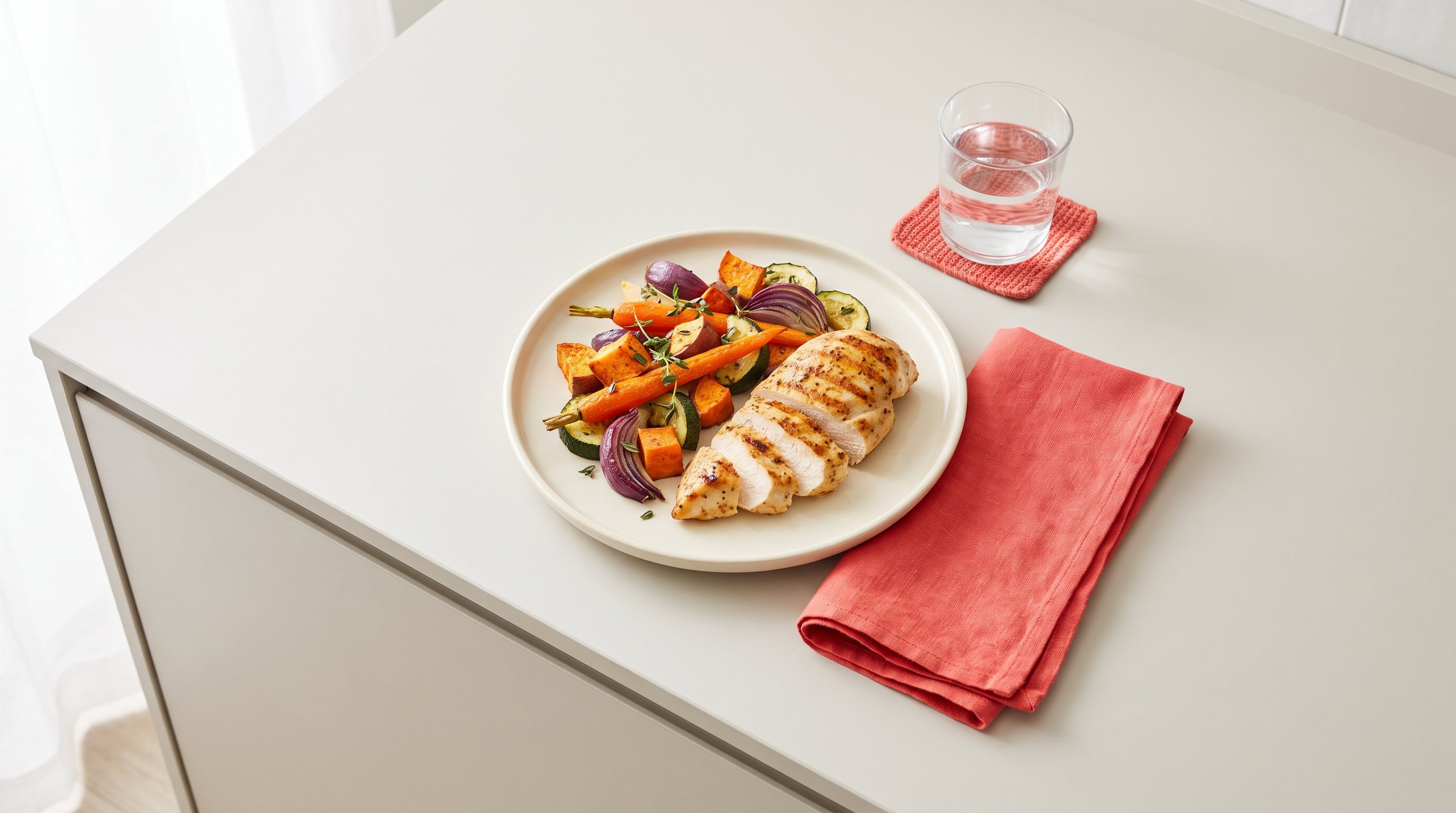
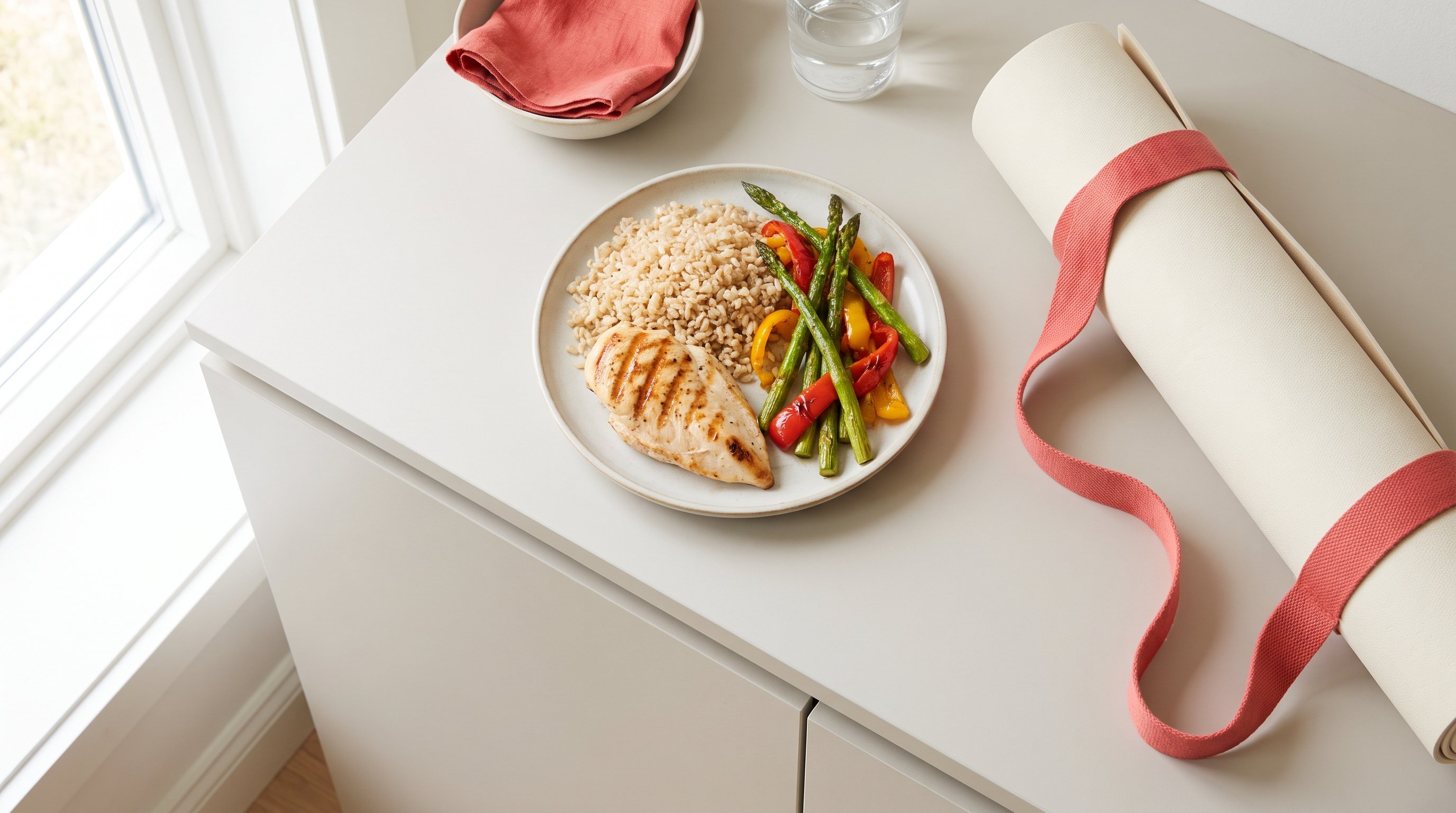
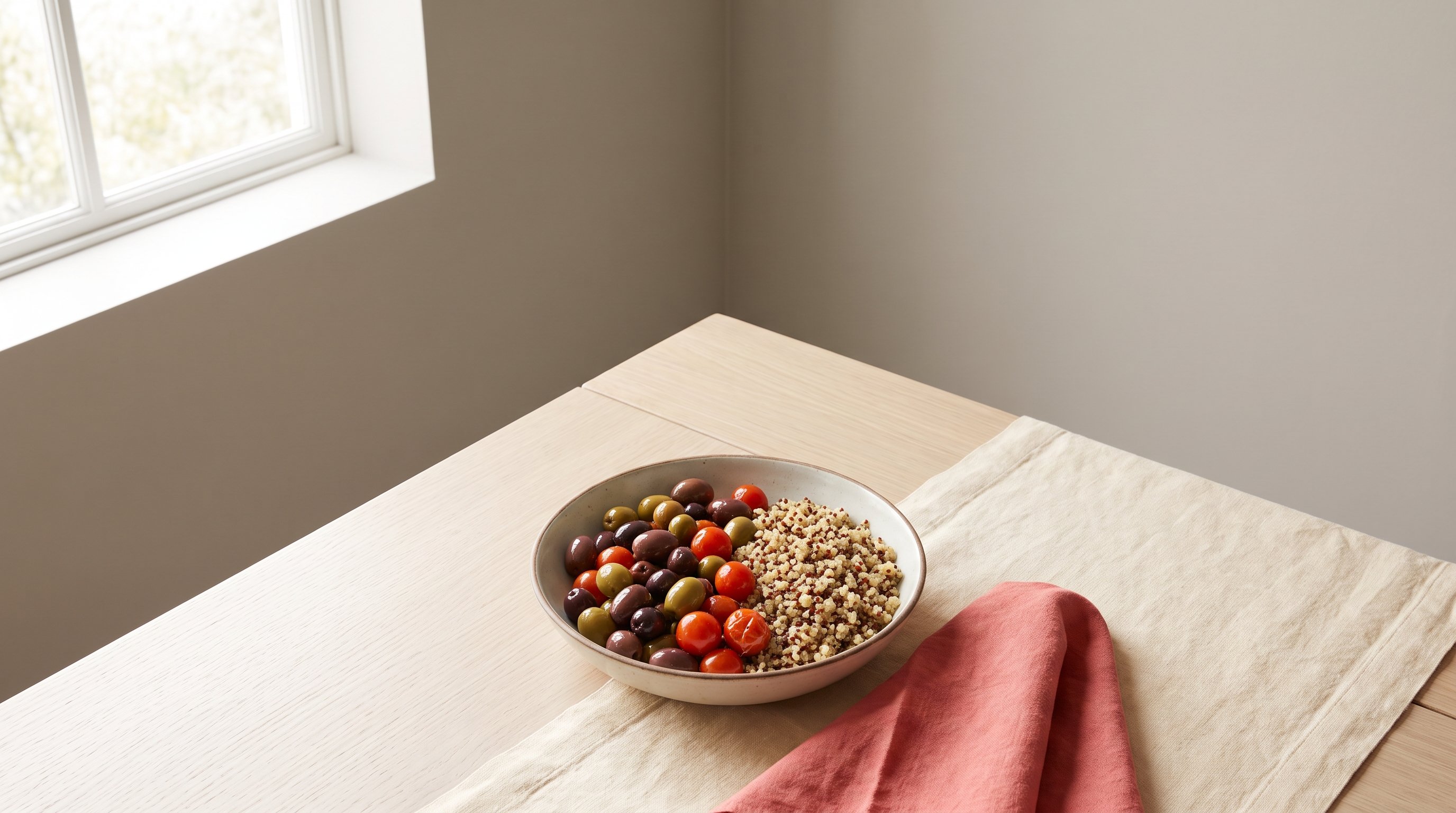
Whole foods tend to support weight loss better than convenience meals because they fill you up on fewer calories and come without the added sugar and oil that packaged meals rely on for flavour. Seven solid choices are eggs, leafy greens, oats, beans and lentils, plain yoghurt, fish, and potatoes cooked simply.
The mechanism is straightforward. Whole foods carry more water, fibre and protein per calorie, so you get a bigger plate and a longer-lasting full feeling than you would from a processed equivalent with the same calorie count.
This article covers what each food brings to the table, how whole options stack up against their convenience versions, how much to actually eat, and a simple four-week plan for swapping one meal at a time.
Swapping Convenience Meals for Whole Foods Step by Step
You don't need to overhaul every meal at once. A gradual swap is easier to stick with and still adds up.
Steps to Start Swapping
- Pick one meal a day - usually breakfast, since it's often the most packaged and processed meal of the day.
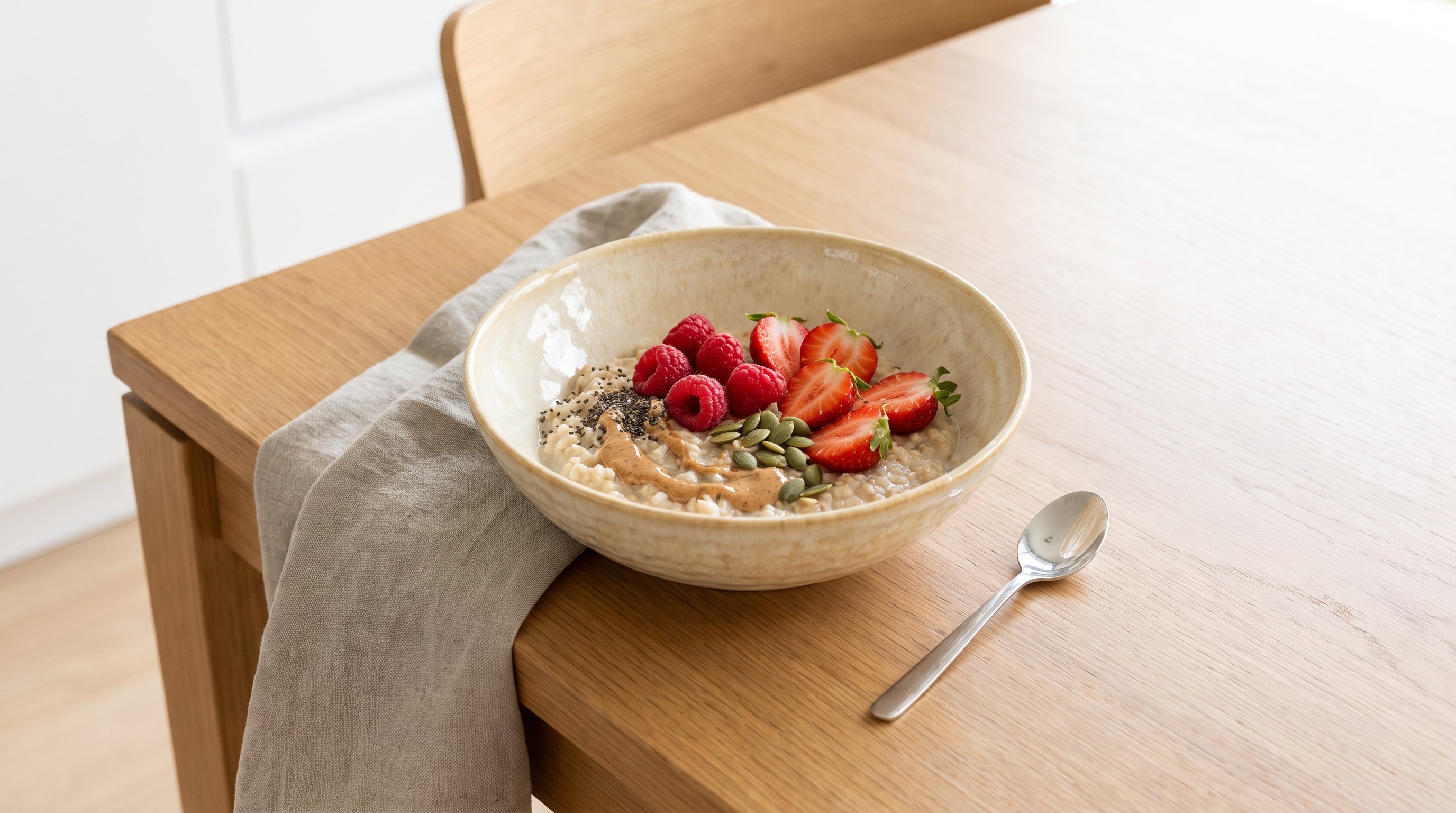
- Replace sugary cereal or pastries with oats or eggs - both keep you full longer on a similar or lower calorie count.
- Add a portion of leafy greens to lunch and dinner - bulk out the plate without adding many calories.
- Swap one processed snack for plain yoghurt or a handful of nuts - less added sugar, more protein.
- Build one meal a week around beans or lentils instead of meat - cheaper, and high in fibre.
- Cook potatoes plain (boiled, baked) instead of as fries or crisps - same vegetable, far less added fat.
- Work fish into two meals a week - a straightforward swap for processed meat-based meals.
Once one meal feels normal, move to the next. There's no rush - the point is that each swap sticks.
How Much of Each Food Actually Fits Your Day
You don't need to weigh every gram, but having a rough sense of portions helps you plan a day without guesswork.
Portions That Work for Most Days
These amounts are a starting point you can adjust depending on your appetite and activity level.
| Food | Typical Portion | When to Eat It |
|---|---|---|
| Eggs | 2 eggs | Breakfast or lunch |
| Leafy greens | 1-2 cups | Lunch and dinner |
| Oats | 40-50 grams dry | Breakfast |
| Beans or lentils | 1 cup cooked | Lunch or dinner |
| Fish | 100-150 grams | Two dinners a week |
These portions are meant to anchor a meal, not replace the whole plate - pair them with vegetables or a starch depending on what the rest of your day looks like.
Making These Food Swaps Work Around a Real Week
Whole foods take more prep than ripping open a packet, and that's the honest trade-off. A boiled egg takes ten minutes, a microwave meal takes three - the difference shows up in how full you feel an hour later, not in convenience.
Batch cooking helps close that gap. Cook a pot of beans or lentils once and you've got a base for three or four meals across the week, which cuts the daily effort down to almost nothing.
A meal plan built around food you already like removes a lot of the decision fatigue that makes convenience meals so tempting after a long day - which is part of what the Nordletics meal plan feature is built to help with.
A Four-Week Plan for Phasing Out Convenience Meals
Trying to replace every convenience meal in one go usually backfires. This order spreads the change out so it has a chance to stick.
| Stage | What Changes |
|---|---|
| Week 1 | Swap breakfast for eggs or oats |
| Week 2 | Add leafy greens to lunch and dinner |
| Week 3 | Replace one snack with yoghurt or nuts |
| Week 4 | Build one meal around beans, lentils or fish |
By the end of the four weeks, you've touched breakfast, lunch, snacks and dinner without any single week feeling like a complete overhaul.
Where Whole Food Swaps Tend to Lose Momentum
The first week or two usually feels fine because the novelty carries you. The harder stretch tends to show up once the new meals stop feeling new and the old convenience options start calling again - especially on busy or low-energy days.
That's not a sign anything has gone wrong. It's just the point where the habit needs a bit more structure rather than motivation, which is exactly when having a plan already written down, rather than decided fresh each day, makes the biggest difference.

Mistakes That Quietly Undo Whole Food Swaps
Treating Whole Foods As a Punishment
If every swap feels like a sacrifice, it won't last - pick whole food versions of meals you actually enjoy, not the blandest option on the list.
Skipping Prep and Defaulting Back to Convenience
Without a few minutes of batch cooking, the packaged option will always be faster - set aside one session a week to cook beans, lentils or grains in bulk.
Cutting Out Whole Food Groups Instead of Swapping
Dropping carbs or fats entirely tends to backfire - potatoes, oats and beans are whole foods too, and they belong on the plate.
Expecting One Good Week to Be Enough
A single week of eggs and greens won't move much on its own - the effect comes from repeating the swap often enough that it becomes the default.
Supporting Whole Food Swaps With Nordletics
Swapping convenience meals for whole foods works best when it's not something you have to figure out fresh every single day.
Nordletics pairs a meal plan built around food you already like with simple progress tracking, so you can see water intake, weight and consistency in one place instead of guessing whether the swaps are adding up. Nutrition guides written by nutrition experts sit alongside the workout plans, so the food side and the movement side don't feel like two separate projects.
Get Your Workout Plan
Train Smarter Today
Turning Whole Food Choices Into Your Default Meal
Pick one convenience meal you eat most weeks and swap it for its whole food version this week - eggs instead of cereal, boiled potatoes instead of fries, a lentil dinner instead of a packaged one.
Small, repeated swaps like this are what actually shift a week's worth of eating, and Nordletics can help keep the meal plan and the tracking side of that change in one place as you go.
FAQ
They help by filling you up on fewer calories than convenience meals, which makes it easier to eat less without feeling deprived. No single food causes weight loss on its own - it's the pattern across the week that matters.
Eggs, oats, beans and lentils are generally some of the cheaper items in a shop, so the cost difference often favours whole foods once you compare per-meal prices. Fish and fresh greens can cost more, but you don't need them every day to see the benefit.
Batch cooking once a week - a pot of beans or a tray of roasted vegetables - cuts daily prep down to almost nothing. A tailored-for-you meal plan can also take the planning step off your hands entirely.
It's rarely one bad meal - it's the week where life gets busy and there's no plan written down, so the easiest option wins by default. Nordletics' meal plans and tracking tools are built to take some of that daily decision-making off your plate, which helps on exactly those weeks.
Share this post