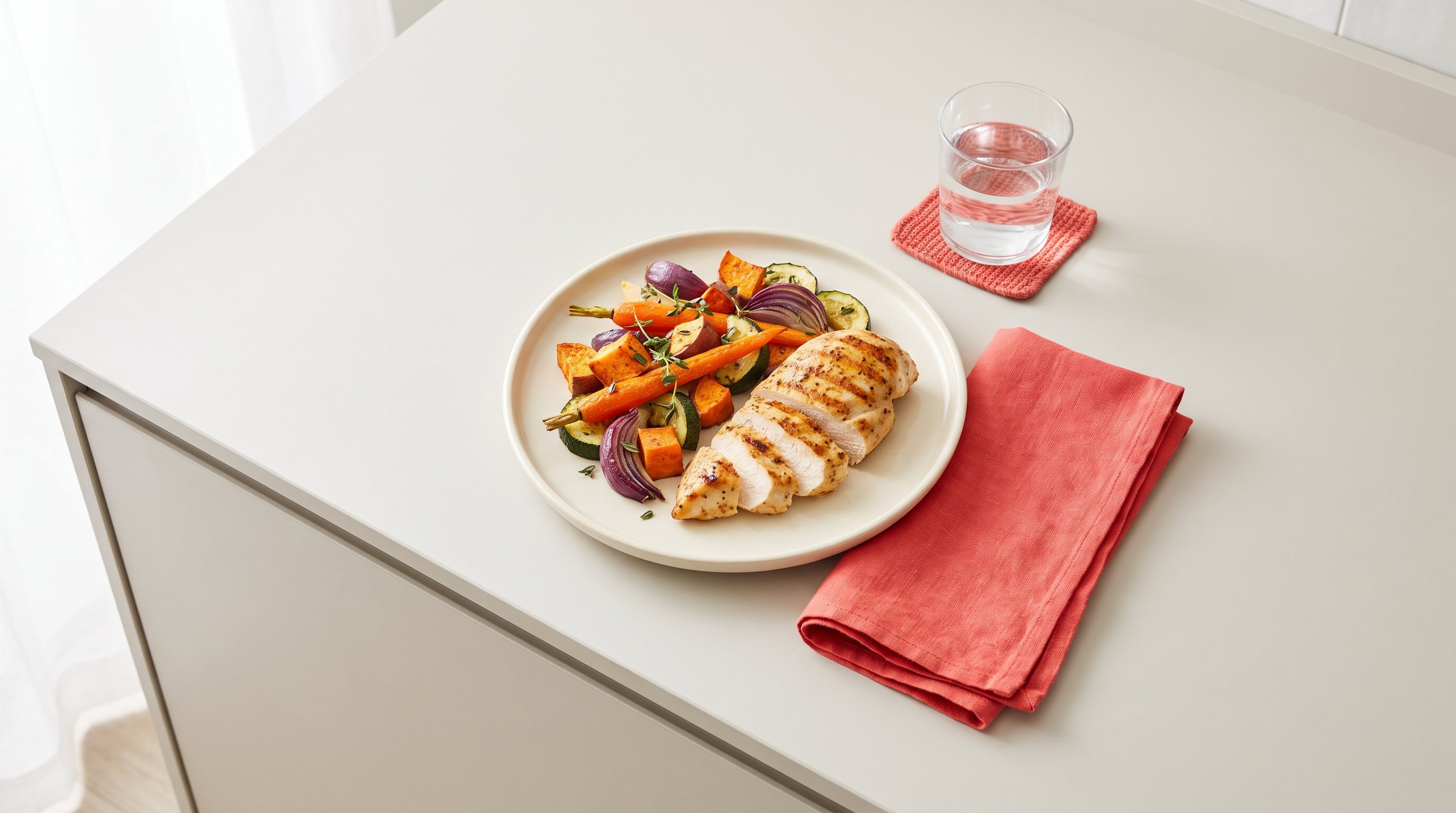
How Food Affects Sports Recovery: What to Actually Eat for Muscle Repair
By:Author:Nordletics Editorial
Updated on:October 20, 2026
- Does What You Eat After Training Really Matter?
- The Two Jobs Food Does After a Workout
- How Much to Eat and When It Actually Counts
- Why Whole Meals Beat Recovery Shakes Alone
- Making Recovery Meals Work Around a Busy Week
- The Overnight Muscle Repair Myth, Answered Honestly
- What Changes Your Recovery Results
- Common Mistakes That Slow Down Recovery
- Supporting Sports Recovery Nutrition With Nordletics
- Turning Recovery Eating Into a Weekly Habit
Food affects sports recovery because muscle repair needs raw materials, and those materials come from what lands on your plate after training.
Exercise creates small tears in muscle fibre and drains stored carbohydrate called glycogen. The body rebuilds that fibre using protein and refills glycogen using carbohydrate, so both have a direct job to do once a session ends.
This article covers the mechanism behind recovery eating, how much food actually matters, a simple table for timing meals, and the mistakes that quietly undo a good workout.
Does What You Eat After Training Really Matter?
Yes, because muscle repair is a building process, and building processes need supplies.
After a workout, muscle fibres are broken down at a microscopic level and need protein's amino acids to rebuild stronger. At the same time, the glycogen used for fuel during the session has to be replaced with carbohydrate or the next workout starts running on empty.
Skip the follow-up meal entirely and the body still repairs itself eventually, but it pulls from a smaller, slower supply line. Eat with intention and you're simply giving the process what it needs, when it needs it, instead of making it wait.
The Two Jobs Food Does After a Workout
Recovery eating isn't one task, it's two separate ones happening at the same time.
Rebuilding Muscle Fibre With Protein
Protein breaks down into amino acids, the building blocks the body uses to repair torn muscle fibre. Without enough protein coming in, that repair work still happens but it has fewer materials to draw on.
Refilling Energy Stores With Carbohydrate
Carbohydrate gets stored in muscles as glycogen, which is the fuel tank your next session draws from. Training again on a half-full tank means less output, so refilling it after exercise matters as much as the protein side does.

Fat and water play supporting roles too, but protein and carbohydrate are doing the heavy lifting in the hours after you train.
How Much to Eat and When It Actually Counts
There's no single magic number, but there is a practical window worth working with.
Spreading Intake Across the Day
Recovery doesn't end after one post-workout meal, it continues for hours as muscle rebuilds. Spacing protein and carbohydrate across two or three meals after training tends to cover the need better than cramming it all into one sitting.

| Timing | Focus | Example |
|---|---|---|
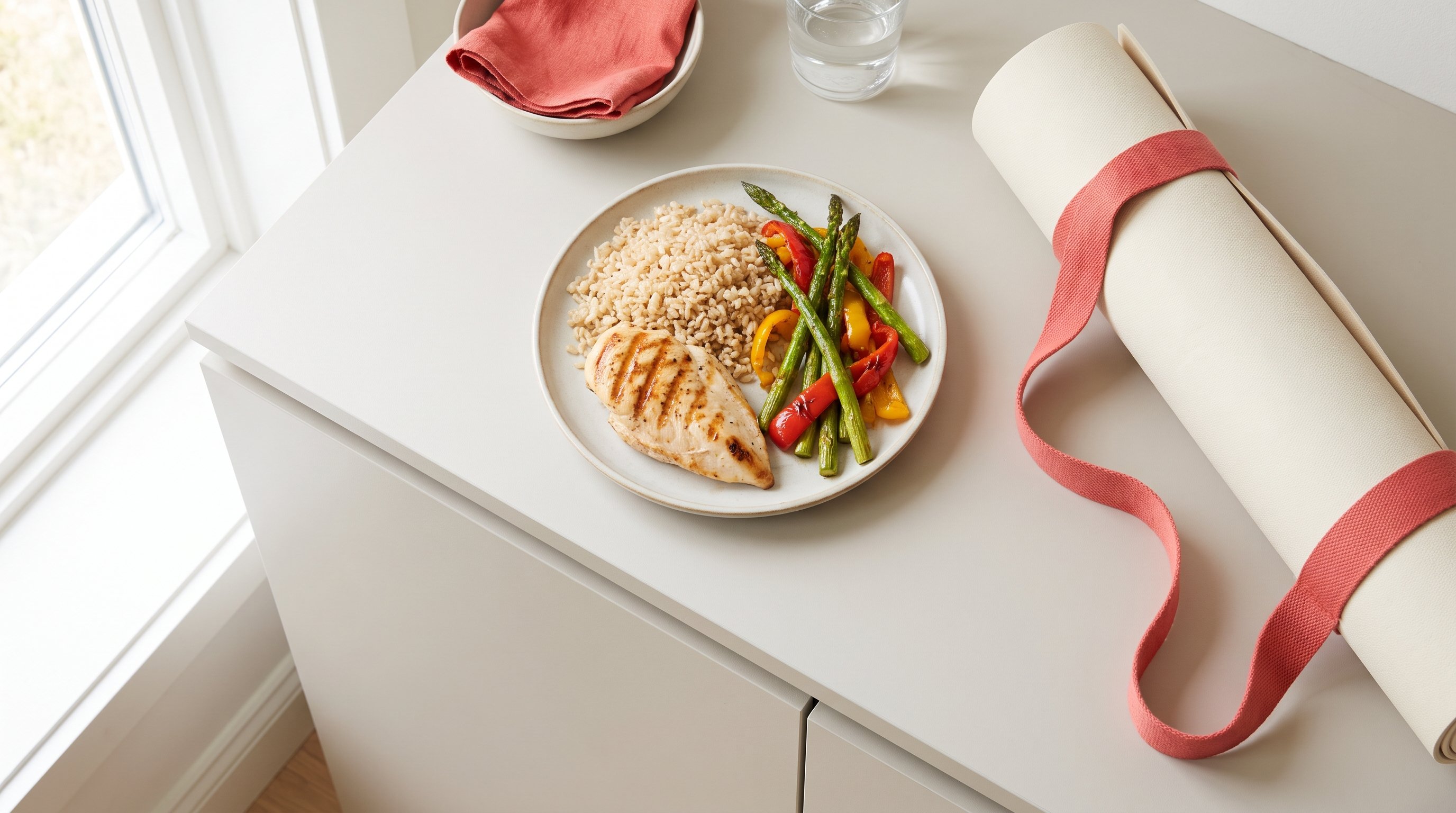
| Within 1 hour | Protein plus carbohydrate | Chicken, rice, vegetables |
| 2 to 3 hours later | Balanced meal | Fish, potatoes, salad |
| Before bed | Slow-digesting protein | Greek yoghurt, nuts |
| Next morning | Carbohydrate top-up | Oats, fruit, eggs |
None of this needs to be exact. Rough consistency across the day beats a perfectly timed single meal that's never repeated.
Why Whole Meals Beat Recovery Shakes Alone
A recovery shake is fast and convenient, but a full meal with protein, carbohydrate and vegetables does more at once.
Shakes solve the speed problem, getting protein in quickly after a session, but they rarely carry the fibre, micronutrients or sheer volume of a real plate of food.
The adherence argument matters more than the theoretical edge either option offers. A whole meal you actually enjoy and repeat beats a shake routine you abandon after two weeks because it feels like a chore.
Making Recovery Meals Work Around a Busy Week
The best recovery meal is the one that's ready when you're hungry and tired, not the one that needs thirty minutes of prep first.
Batch-cooked proteins, pre-cut vegetables and simple carbohydrate staples like rice or potatoes make it far easier to eat well straight after training instead of reaching for whatever's fastest.
This is where a structured meal plan helps rather than hinders. Nordletics includes a meal plan built around food you already like, so recovery eating becomes a repeatable habit instead of a decision you have to make from scratch after every workout.
The Overnight Muscle Repair Myth, Answered Honestly
No single meal, supplement or shake repairs muscle overnight, no matter how perfectly timed it is.
Muscle rebuilding is a slow biological process that plays out over many hours, not minutes. There's no way to speed it into a single eating window, and nothing eaten right after a workout works like a switch that flips recovery on.
The real answer is less exciting but more useful: consistent eating patterns across days and weeks, paired with regular training, is what actually supports ongoing repair and progress over time.
What Changes Your Recovery Results
A few factors matter more than the rest when it comes to how recovery actually plays out.
Factors That Matter Most
- Total protein across the day - hitting an adequate amount spread over meals matters more than the exact minute you eat it.
- Carbohydrate to match training load - harder or longer sessions burn through more glycogen, so that fuel needs replacing in kind.
- Sleep and consistency - repair work happens during rest, so skipping sleep undercuts even a well-planned meal.
Common Mistakes That Slow Down Recovery
Skipping Food Entirely After Training
Some people train hard then wait hours to eat, leaving muscle repair without materials to work with. Aim to eat something within the first hour or two rather than leaving it until much later.
Cutting Carbohydrate Too Hard
Avoiding carbohydrate because it feels like the enemy of progress often backfires, since glycogen stores stay low and training quality drops. Match carbohydrate intake to how much you actually train, not to a fear of the food group.
Relying on One Shake and Nothing Else
A shake alone rarely covers the full nutritional need of a hard session. Treat it as a quick top-up, not a replacement for a proper meal later in the day.
Ignoring Water Intake
Dehydration slows down nearly every bodily process, including the ones involved in repair. Keeping water intake steady across the day supports the same systems that protein and carbohydrate are feeding.
Supporting Sports Recovery Nutrition With Nordletics
Knowing what to eat after training is one thing, actually having it ready is another.
Nordletics pairs a meal plan built around food you already like with progress tracking that keeps water intake, weight and consistency all in one place, so recovery eating stops being guesswork and becomes part of a routine you can actually follow.
Get Your Workout Plan
Train Smarter Today
Turning Recovery Eating Into a Weekly Habit
Pick one meal today and build it around protein and carbohydrate together, then repeat that pattern after every session this week.
Small, repeated choices like this add up faster than any single perfect meal ever could, and Nordletics can help keep that pattern consistent once it's in place.
FAQ
A combination of protein and carbohydrate, such as chicken with rice or eggs with toast, covers both muscle repair and energy refill. The exact food matters less than including both food groups together.
Eating within a reasonable window after training helps, but total intake across the day matters more than hitting an exact minute. Consistency over weeks outweighs precision in any single meal.
Simple, pre-prepared options like yoghurt with fruit or a sandwich with lean protein still cover the basics when time is short. A meal plan with Nordletics can also take the planning out of busy days by having options ready in advance.
Recovery still happens without dietary changes, but it tends to be slower and less complete than it could be. Adjusting protein and carbohydrate intake around training gives the body more of what it specifically needs to rebuild.
Share this post