Meal Planning for Beginners: How to Start and Use Batch Cooking
By:Author:Nordletics Editorial
Updated on:October 20, 2026
- What a Realistic Meal Planning Week Looks Like
- How Often to Batch Cook As a Beginner
- Why Simple Batch Cooking Beats Daily From-Scratch Meals
- Fitting Batch Cooking Into a Full Week
- Adapting the Plan to Your Actual Situation
- When Meal Planning Starts to Feel Normal
- Making Meal Planning for Beginners Easier With Nordletics
- Starting Your First Week of Meal Planning
Meal planning for beginners comes down to one thing: deciding what you'll eat before you're hungry and have no plan. That single shift removes most of the daily decisions that lead to takeaway orders or skipped meals.
It works because decision fatigue is real. Choosing meals once a week, then batch cooking a chunk of them, means you're not negotiating with a tired brain every single evening.
This guide covers what a realistic planning week looks like, how often to batch cook, why the simple version beats the elaborate one, and how to fit it around a normal life.
What a Realistic Meal Planning Week Looks Like
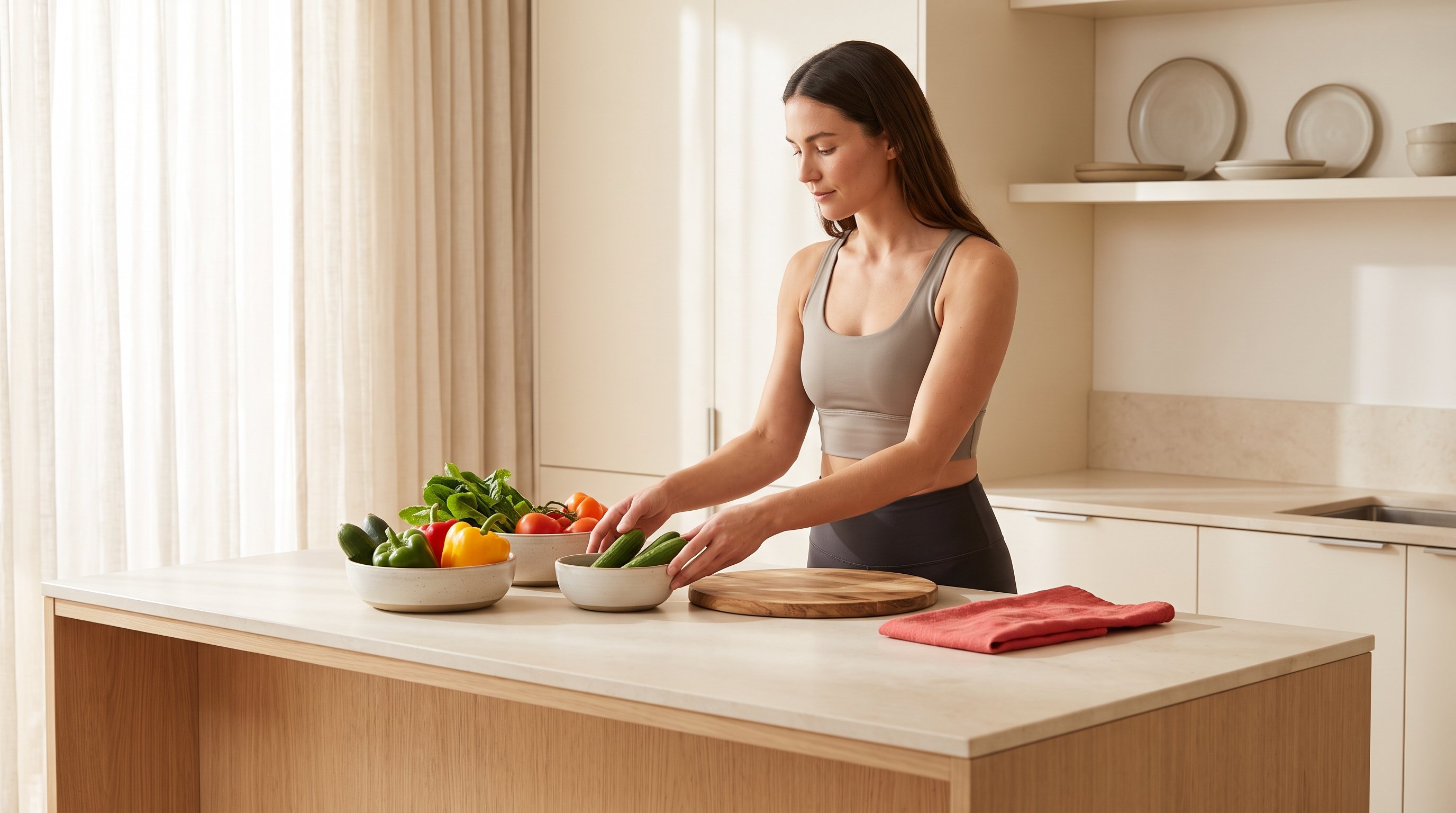
A beginner week doesn't need seven unique dinners. It needs a short list of meals repeated with small variations, so shopping and cooking stay simple.
A Sample Weekly Structure
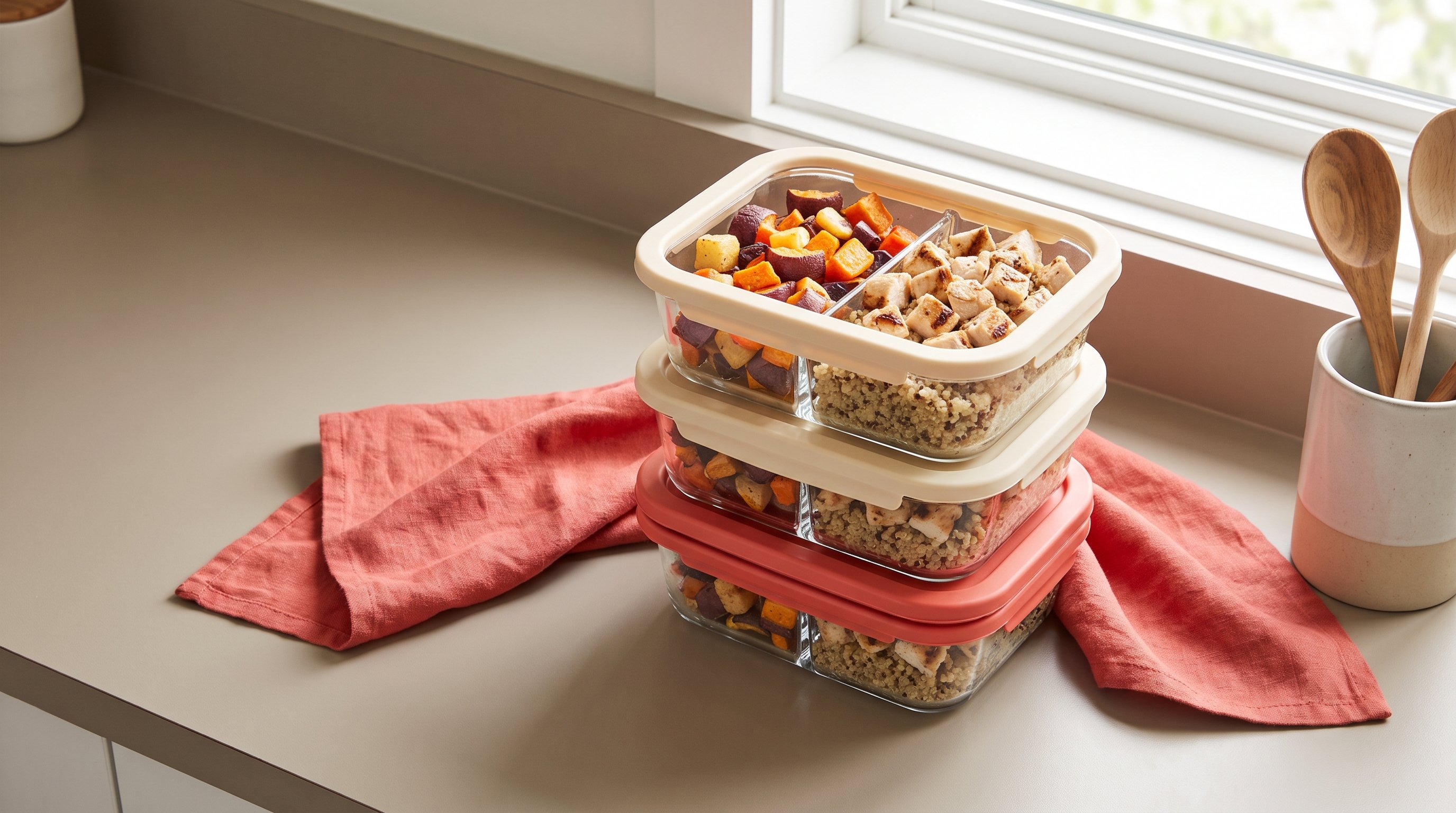
- Sunday - plan the week, write the shopping list, batch cook two base proteins and a grain
- Monday to Wednesday - rotate the same proteins and grain with different vegetables or sauces
- Thursday - a quick fridge-clearout meal using whatever is left
- Friday - a flexible night, cook fresh or use a frozen portion from the batch
- Weekend - one proper cooked meal, plus prep for the next week
The pattern matters more than the recipes. Repetition is what makes the habit sustainable past the first fortnight.
How Often to Batch Cook As a Beginner
A Starting Frequency You Can Repeat
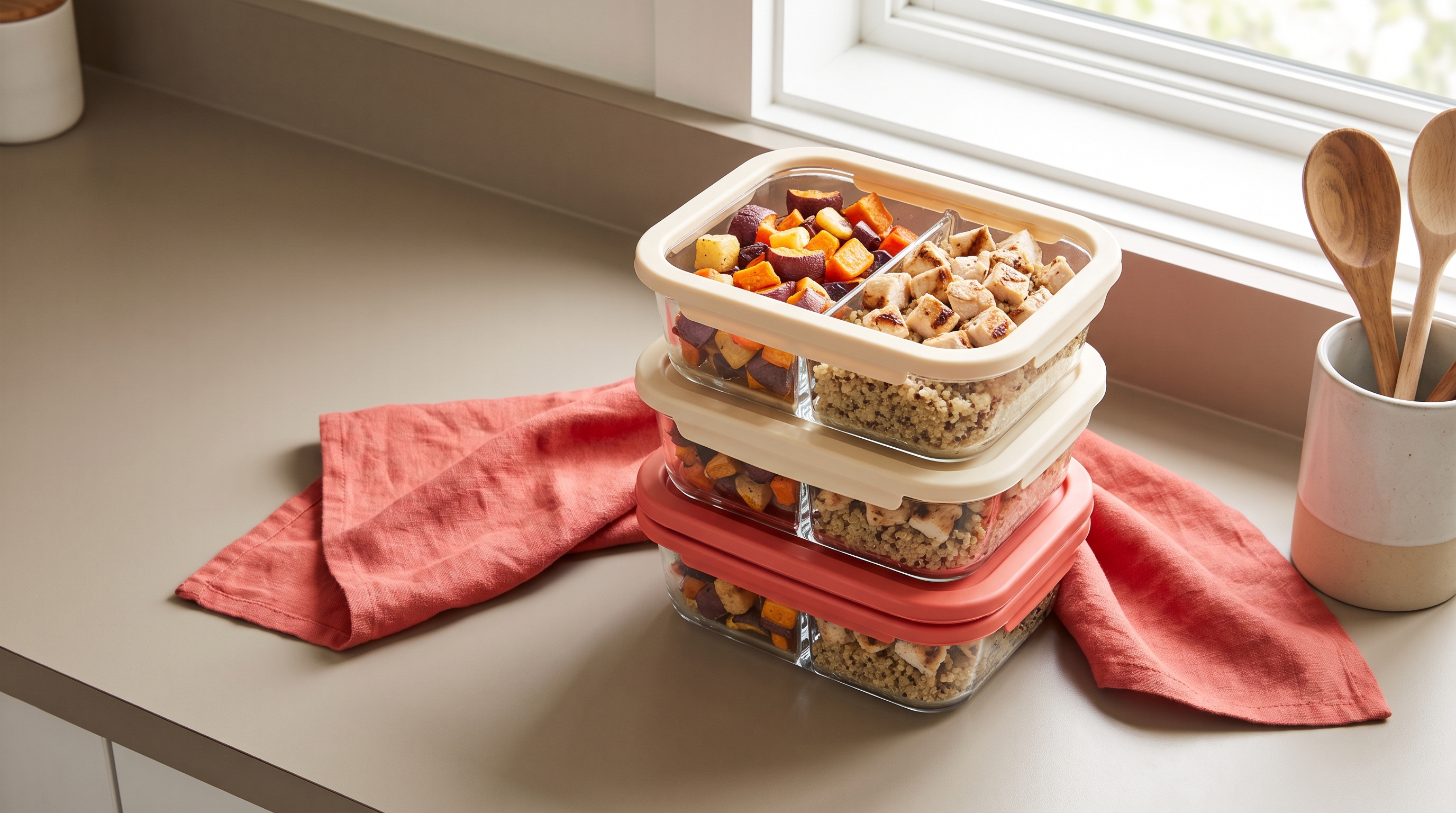
Most beginners do best batch cooking once or twice a week, rather than trying to prep every single meal in one sitting. Two shorter sessions spread the effort and reduce the chance of the whole plan collapsing if one session gets skipped.
| Batch Frequency | Effort Required | Best For |
|---|---|---|
| Once a week | One longer session | Simple routines, few variations |
| Twice a week | Two shorter sessions | Busy households, more variety |
| Daily small prep | 15-20 minutes a day | People who dislike big cook-ups |
| Fortnightly freezer batch | One longer session, less often | Freezer space available |
Pick whichever row matches your week, not the one that sounds most impressive. The best frequency is the one you'll actually repeat next week too.
Why Simple Batch Cooking Beats Daily From-Scratch Meals
Cooking a fresh, varied meal from scratch every night sounds appealing, but it asks for daily motivation, daily shopping and daily cleanup. That's a lot of small decisions stacked up seven times a week.
Batch cooking two or three base meals and rotating them asks for one or two decisions, once a week. Fewer decisions means fewer chances to abandon the plan when you're tired.
This is the adherence argument in plain terms: a plan you'll actually follow most weeks beats a more elaborate one you follow for ten days and then drop.
Fitting Batch Cooking Into a Full Week
Real weeks include late meetings, school runs and days where cooking anything feels like too much. The plan has to survive those days, not just the calm ones.
Keeping the base meals in the fridge or freezer means a bad day still ends with a proper meal instead of whatever's fastest to order.
A meal plan built around food you already like makes this easier to sustain, which is where Nordletics fits in - it gives you a plan to follow instead of asking you to build one from scratch every week.
Adapting the Plan to Your Actual Situation
If You're Completely New to This
Start with just one batch-cooked item, like a grain or a protein, rather than trying to plan every meal at once. Add the next piece once the first one feels automatic.
If Your Week Is Packed
Lean on the fortnightly freezer batch so you only need one longer cooking session every two weeks. Keep the shopping list short so the Sunday planning step doesn't eat into the time you don't have.
If You're Cooking for a Household
Double the base recipe rather than cooking two different meals, since the effort to cook one large batch is barely more than a smaller one. Let individual preferences come from the sauces, sides or vegetables added on top.
If You've Tried and Stopped Before
Drop back to fewer variations than last time, even if it feels repetitive at first. A plan that's slightly boring but repeated beats a varied one that quietly stops happening after two weeks.
When Meal Planning Starts to Feel Normal
The first couple of weeks usually feel like extra admin, because you're building the shopping list and the routine from nothing. That's the point most beginners quit, right before the planning step gets faster.
Once you've repeated the same few base meals a handful of times, writing the list and doing the batch cook takes a fraction of the time it did at the start.
There's no fixed point where it suddenly clicks, but the admin side does get lighter the more times you repeat it.
Making Meal Planning for Beginners Easier With Nordletics
Meal planning for beginners gets harder when you're also trying to figure out what to eat, how much, and whether it fits your goals, all at once.
Nordletics includes an easy-to-follow meal plan built around food you already like, so the weekly decision is already made before you open the fridge. Paired with progress tracking for weight, water and steps, it gives beginners one place to see the plan and the results side by side, instead of juggling a spreadsheet and a notes app.
Get Your Workout Plan
Train Smarter Today
Starting Your First Week of Meal Planning
Pick one batch-cooked item, write a short shopping list, and plan three repeated meals for the week ahead. That's a complete starting plan, and it's enough.
Nordletics can take the guesswork out of what goes on that list, so the first week feels like following a plan rather than inventing one from nothing.
FAQ
Buying ingredients for a known set of meals usually means less food goes unused compared with shopping without a list. Less waste from unused ingredients is the main saving, rather than any single cheap recipe.
Not if you vary the sauce, vegetables or sides while keeping the base protein and grain the same. The repeated part is the time-consuming part, not the whole plate.
Start with ten minutes on a day off, just writing down three meals and a short list, rather than a full weekly plan. A small plan beats no plan, and it's easier to build on later.
That's normal, and it doesn't mean starting over from zero. Go back to one batch-cooked item the following week, and if you want the weekly decision made for you, Nordletics keeps a tailored meal plan in one place so you're not rebuilding it from scratch.
Share this post