How to Eat More Protein: Practical Ways to Fit It Into a Busy Day
By:Author:Nordletics Editorial
Updated on:October 28, 2026
- Does Eating More Protein Actually Make a Difference?
- What Protein Is Actually Doing Inside Your Body
- How Much Protein You Actually Need per Day
- Why Food-First Beats Counting Every Gram
- Fitting More Protein Into an Already Full Day
- The Protein Shake Shortcut Myth, Answered Honestly
- What Changes Your Protein Results
- Common Slip-Ups That Quietly Undercut Your Intake
- Building Higher-Protein Meals With Nordletics
- Making Higher Protein Meals Part of Your Normal Week
The fastest way to eat more protein is to add a protein source to every meal and snack you already eat, rather than redesigning your whole diet.
Protein is the raw material your body uses to repair muscle tissue and keep you feeling full between meals, so spreading it across the day works better than cramming it into one sitting.
This article covers how protein actually supports your goals, how much to aim for, easy ways to fit it into a normal week, and the mistakes that quietly keep people under target.
Does Eating More Protein Actually Make a Difference?
Protein gives your body the building blocks it needs to repair muscle after training and it takes more energy to digest than fat or carbohydrate, so it plays a direct role in how full and satisfied you feel.
Say a meal has 400 calories split evenly between protein, carbs and fat - the protein portion costs your body more energy just to process than the same calories from carbs.
That is not a trick for burning more calories overall, it is just one reason higher-protein meals tend to leave people less hungry an hour or two later.
Over a week, that added fullness can mean fewer extra snacks, which adds up without you having to think about it constantly.
What Protein Is Actually Doing Inside Your Body
Two separate mechanisms explain why protein intake matters for anyone training or trying to manage their weight.
Muscle Repair and Maintenance
Every workout creates small amounts of stress on muscle fibres, and protein supplies the amino acids your body uses to repair that tissue.
Without enough protein coming in, that repair process has less raw material to work with, regardless of how hard the session was.
Appetite and Fullness Signals
Protein is more filling gram for gram than carbohydrate or fat, which is part of why a protein-forward breakfast tends to carry people further into the day than a carb-heavy one.
That fullness effect is one of the simplest tools available if you are trying to eat fewer total calories without feeling deprived.
How Much Protein You Actually Need per Day
A Simple Way to Estimate Your Target
A common starting range is roughly 1.6 to 2.2 grams of protein per kilogram of bodyweight for someone training regularly, though needs vary by activity level and goals.
For a 70 kg person, that works out to somewhere between 112 and 154 grams a day, which is easier to hit once it is split across three or four meals instead of one.
| Food | Protein |
|---|---|
| Chicken breast (100g) | 31g |
| Eggs (2 large) | 13g |
| Greek yoghurt (170g) | 17g |
| Lentils (1 cup cooked) | 18g |
| Cottage cheese (100g) | 11g |
Combine two or three of those in a single day and the daily target stops feeling like a math problem.
Why Food-First Beats Counting Every Gram
There are two ways to raise your protein intake: track every gram on an app, or build meals around a protein source by default and let the rest follow.
Tracking every gram works, but it asks for ongoing effort that most people abandon within a few weeks once life gets busy.
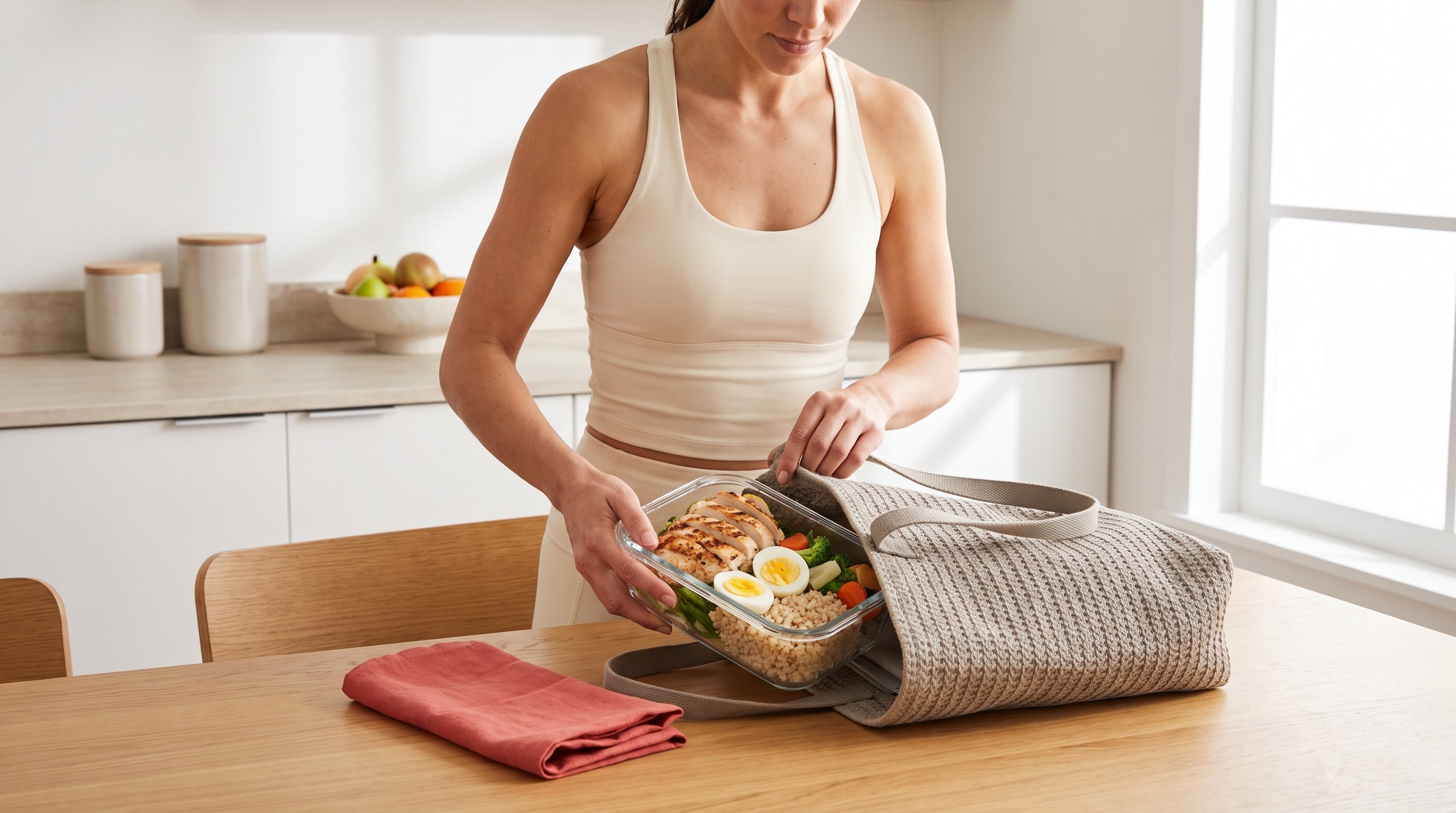
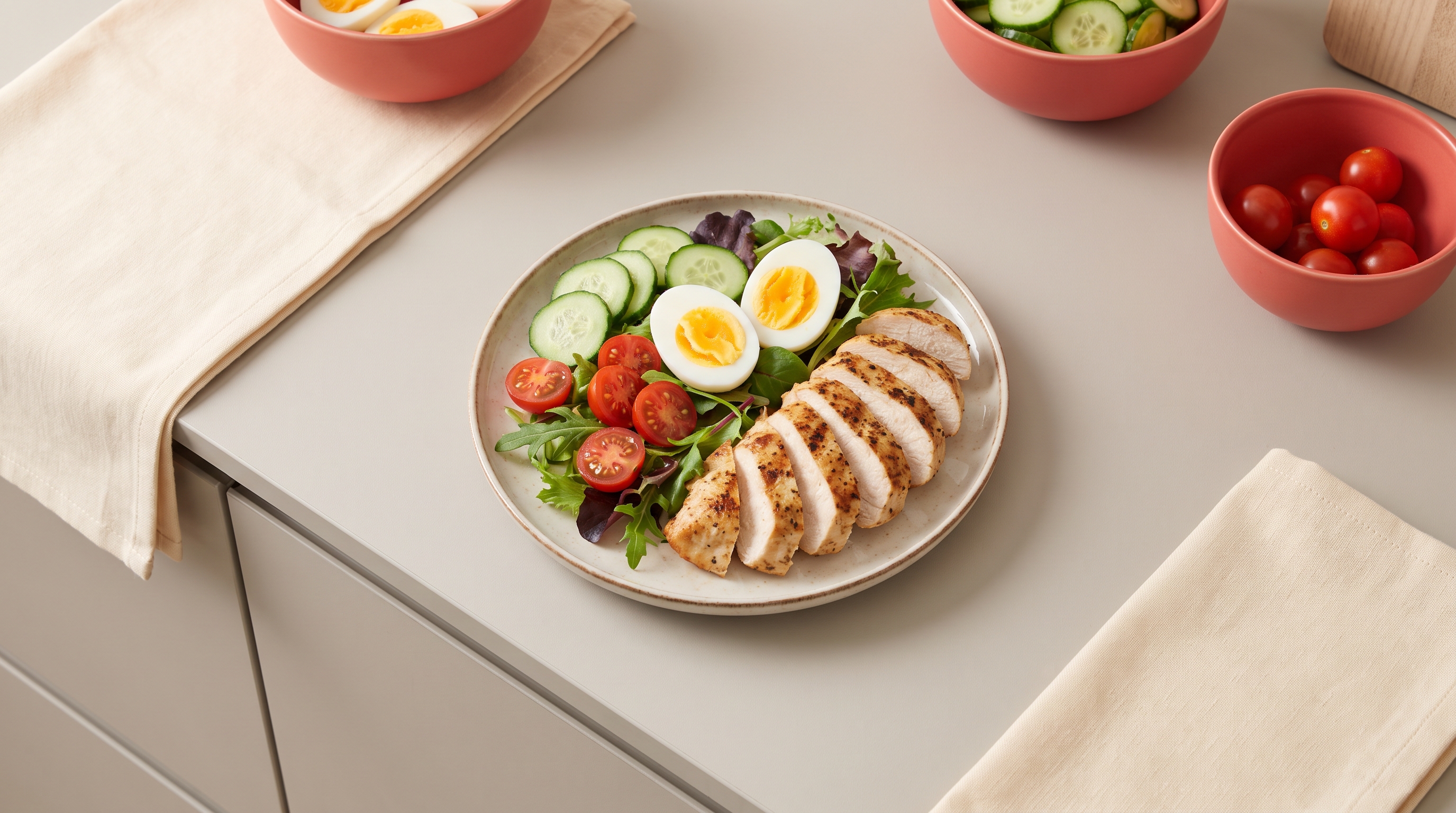
Building meals around a protein source - eggs at breakfast, chicken or lentils at lunch, yoghurt as a snack - gets you most of the benefit without the daily admin.
The habit that survives a busy week beats the system that only works in your spare time.
Fitting More Protein Into an Already Full Day
Most people do not fall short on protein because they dislike protein foods, they fall short because meals get thrown together in a rush and the protein source gets left out.
Keeping a short list of go-to options - eggs, tinned fish, yoghurt, beans - on hand means there is always something to add without extra planning.
This is where a meal plan built around food you already like helps, since Nordletics lays out meals with protein already worked in rather than leaving it up to a last-minute decision.
Pairing that with simple tracking of what you eat and drink each day makes it easier to notice a pattern before a whole week slips by under target.
The Protein Shake Shortcut Myth, Answered Honestly
A common belief is that you need protein shakes or supplements to hit a daily target, and that whole foods alone cannot get you there.
That is not accurate - a few servings of chicken, eggs, dairy or legumes spread across a day can match or beat what a shake provides, and whole foods bring fibre and other nutrients a shake does not.
Shakes can be a convenient top-up in a time crunch, but they are a supplement to real meals, not a replacement for building protein into the meals themselves.
The honest answer is that consistent meals matter more than any single product.
What Changes Your Protein Results
A few factors matter more than the rest for actually raising your protein intake and keeping it there.
The Factors That Matter Most
- Consistency across meals - spreading protein across three or four meals works better than one large serving at dinner.
- Having go-to foods on hand - eggs, yoghurt, tinned fish or beans ready in the fridge or cupboard removes the decision fatigue that causes skipped protein.
- Pairing protein with training - muscle repair needs both the workout and the raw material, so the two work together rather than separately.
Common Slip-Ups That Quietly Undercut Your Intake
Skipping Protein at Breakfast
A carb-only breakfast leaves you short before the day even starts - add eggs, yoghurt or cottage cheese to the first meal instead of leaving it for dinner.
Treating Protein As a Dinner-Only Food
Loading it all into one meal makes the day's total harder to hit and wastes the fullness benefit earlier on - split your target across three or four meals instead.

Relying on Convenience Foods With Hidden Low Protein
Many packaged snacks look substantial but carry very little actual protein - check a label once so you know which snacks are worth repeating.
Not Planning for Busy Days
The days you are most rushed are the days protein gets skipped first - keep a couple of no-prep options like tinned fish or pre-boiled eggs ready for exactly those days.
Building Higher-Protein Meals With Nordletics
Knowing the target is one thing, building meals around it every day is the part that actually changes results over time.
Nordletics includes a meal plan built around food you already like, so protein sources are already worked into breakfast, lunch and dinner instead of being something you have to remember to add.
Progress tracking for water, steps and weight sits alongside the meal plan, so you can see whether your habits are holding steady across a full week, not just one good day.
Get Your Workout Plan
Train Smarter Today
Making Higher Protein Meals Part of Your Normal Week
Pick one meal today and add a protein source to it - eggs at breakfast, chicken or lentils at lunch, yoghurt as an afternoon snack.
That single change, repeated daily, does more for your total intake than any one perfect meal, and Nordletics can help keep the plan and the tracking in one place as the habit builds.
FAQ
A common starting range is roughly 1.6 to 2.2 grams per kilogram of bodyweight for someone training regularly. For a 70kg person that lands between 112 and 154 grams, split across meals.
No, whole foods like chicken, eggs, dairy and legumes can meet the same target without a shake. Shakes can help as a convenient top-up but they are not a requirement.
Keep a short list of no-prep options on hand, like eggs, tinned fish, yoghurt or cottage cheese, so a protein source is always available. A meal plan with protein already built in, like the one inside Nordletics, removes the daily decision entirely.
Most shortfalls happen because protein gets left out of rushed meals rather than because the foods are hard to find. Spreading a smaller amount across every meal instead of aiming for one big serving at dinner tends to close that gap.
Share this post