Foods to Increase Metabolism: Fitting Daily Changes Into Real Life
By:Author:Nordletics Editorial
Updated on:October 20, 2026

- The Metabolism-Boosting Superfood Myth, Answered Honestly
- How Food Choices Actually Influence Daily Energy Burn
- What Changes Your Results With Metabolism-Supporting Foods
- A Sample Day Built Around Metabolism-Supporting Foods
- Making Metabolism-Friendly Eating Fit a Busy Week
- When Metabolism-Supporting Habits Start to Feel Automatic
- Common Mistakes That Undo Metabolism-Focused Eating
- Building a Nordletics Routine Around Metabolism-Supporting Foods
- Keeping Metabolism-Supporting Eating Part of Your Week
No single food lights a fire under your metabolism. What actually moves the needle is the total pattern - enough protein, regular meals, and a body that has muscle to maintain - repeated often enough that it adds up.
Digesting food costs energy, and some foods cost more to process than others. Protein takes more work to break down than fat, and muscle tissue itself burns more at rest than fat tissue does, which is why what you eat and how much muscle you carry both play a part.
This guide covers the myth around metabolism-boosting foods, the actual mechanism behind daily energy burn, a sample day you can copy, and where this kind of eating usually falls apart.
The Metabolism-Boosting Superfood Myth, Answered Honestly
No food on its own raises your metabolism enough to notice on a scale. Chilli, green tea, grapefruit - none of them burn a meaningful amount of extra energy by themselves.
The small effect some spicy or caffeinated foods have on energy use is real but tiny, nowhere near enough to offset a day of eating more than you need. The honest answer is that total food intake, protein amount, and activity levels matter far more than any single ingredient.
If a plan promises a specific food will melt anything away, that plan is selling a shortcut that does not exist. What does exist is a pattern of eating that supports the muscle and activity that keep daily energy burn steady.
How Food Choices Actually Influence Daily Energy Burn
Two separate mechanisms are worth understanding here, and both are about what your body does with the food you eat, not about any single ingredient being magic.
The Cost of Digesting Protein
Breaking down protein takes more energy than breaking down fat or carbohydrate, so a protein-heavy meal costs your body more to process than an equal-calorie meal of mostly fat or refined carbs.
Muscle Tissue As a Baseline Energy User
Muscle uses more energy at rest than fat tissue does, so the food choices that help you keep or build muscle - enough protein, enough total calories to train on - support a higher baseline burn over time.
What Changes Your Results With Metabolism-Supporting Foods
Three things decide whether this kind of eating actually does anything for you, and they matter in this order.
What Actually Moves the Result
- Protein at every meal - this is the single biggest lever, since it costs more energy to digest and supports the muscle that keeps your baseline burn up.
- Consistent total intake - skipping meals and then overeating later does not help; steady intake across the day keeps digestion working at a steady pace.
- Enough movement to use the muscle you're feeding - food supports muscle, but movement is what gives that muscle a reason to stick around.
A Sample Day Built Around Metabolism-Supporting Foods
Here's what a realistic day looks like when protein and consistent meals are the priority, not any single superfood.

A Sample Day of Eating
- Breakfast - eggs with oats and berries, giving you protein early instead of starting the day on refined carbs alone.
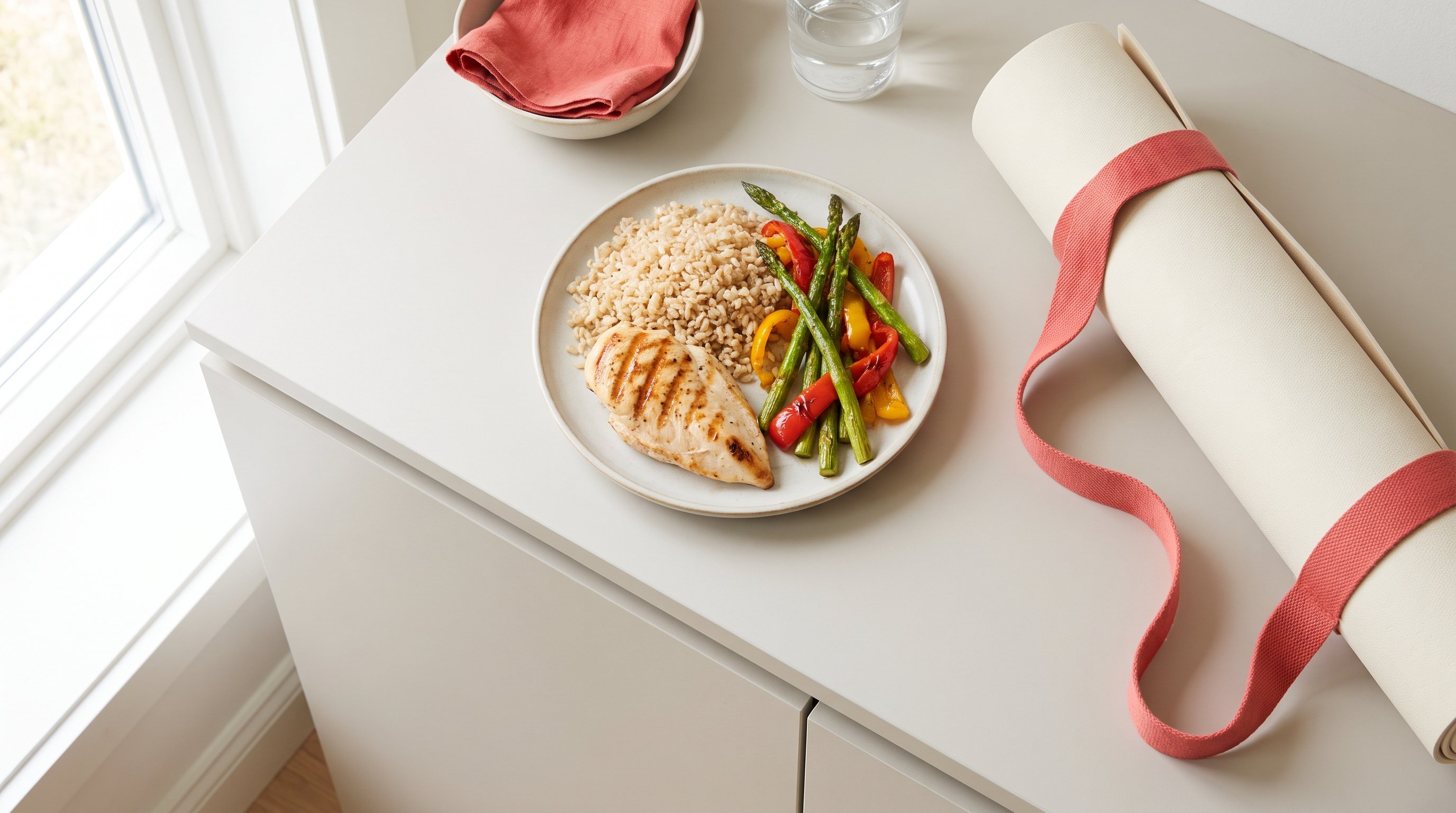
- Lunch - grilled chicken or fish with rice and vegetables, keeping protein front and centre again.
- Afternoon snack - Greek yoghurt or a handful of nuts, something with protein rather than just sugar.
- Dinner - lean beef or tofu with a large portion of vegetables and a modest serving of carbs.
- Evening - water or herbal tea instead of a second dessert, keeping total intake steady rather than spiking late.
Making Metabolism-Friendly Eating Fit a Busy Week
None of this requires precise tracking or a kitchen full of specialty ingredients. It just means protein shows up at most meals and you're not skipping food for six hours and then eating everything at once.
A meal plan built around food you already like makes this far easier to repeat, because the choices are already made before the week gets busy. That kind of structure, alongside simple step and water trackers, is what keeps the pattern going when motivation on any given day is low.
Nordletics brings a tailored-for-you meal plan and progress tracking into one place, so protein-first eating doesn't depend on remembering what you planned three days ago.
When Metabolism-Supporting Habits Start to Feel Automatic
Most people give up on this kind of eating in the first couple of weeks, usually around the point where it still feels like extra effort to plan protein into every meal.
That effort doesn't disappear, but it does get smaller the more often you repeat the same handful of meals. Expect the planning to feel lighter with repetition rather than expecting a specific result by a specific date - the pattern is what pays off, not the speed of any one week.
Common Mistakes That Undo Metabolism-Focused Eating
Chasing a Single Ingredient Instead of the Whole Pattern
Adding chilli flakes or green tea to an otherwise inconsistent diet won't do much; put the focus on protein and regular meals instead.
Skipping Meals and Overcorrecting Later
Long gaps followed by a large evening meal undo the steady digestion pattern that protein-first eating relies on; aim for evenly spaced meals instead.

Cutting Calories Too Far While Trying to Eat Healthier
Extremely low intake can cost you muscle, which lowers your baseline energy use; eat enough to support the training you're doing.
Treating Food Changes As Separate From Movement
Protein without any activity has less to work with; pairing it with regular movement gives the muscle a reason to be maintained.
Expecting a Fast, Visible Shift
This is a slow pattern, not a quick fix, and judging it after a few days sets up disappointment that isn't warranted.
Building a Nordletics Routine Around Metabolism-Supporting Foods
Adherence beats intensity here - eating protein-first meals most days of the month matters more than getting one perfect day right and then drifting for a week.
Nordletics pairs a meal plan built around food you already like with simple home workouts, so the eating side and the movement side support each other instead of working in isolation. Nutrition guides written by nutrition experts sit alongside progress trackers for water, steps and weight, giving you one place to see whether the pattern is actually holding.

Get Your Workout Plan
Train Smarter Today
Keeping Metabolism-Supporting Eating Part of Your Week
Pick one meal today and add a protein source to it - that's the whole starting point, nothing more complicated than that.
Nordletics can help turn that single change into a repeatable pattern, with meal plans and trackers that keep the habit visible instead of letting it quietly slip after a busy week.
FAQ
They can support a pattern of eating that keeps your energy use steady, but no single food creates weight change on its own. The bigger factors are total intake, protein amount, and regular movement.
It overlaps a lot with general healthy eating, but the specific focus here is protein at each meal and consistent timing rather than any one food group. That focus is what supports muscle, which is what actually uses energy at rest.
Start with just one meal a day and build from there rather than trying to overhaul everything at once. A tailored meal plan, like the one inside Nordletics, removes most of the planning work so protein shows up without extra thinking.
Daily energy burn shifts gradually because it's tied to muscle maintenance, not a quick chemical switch. Consistency across weeks matters far more than any single day's choices.
Share this post